Category: Resources

Access valuable resources for accessible travel. From accessible accommodations to transportation options, find everything you need to plan your next trip.

  • What Traveling With a Medically Complex Child Really Looks Like

    What Traveling With a Medically Complex Child Really Looks Like

    Traveling with a medically complex child is often described as “brave,” “inspiring,” or “impossible.” But the truth is quieter and more complicated than any of those words. It’s not a single story. It’s a thousand tiny ones, stitched together by love, logistics, and the kind of determination you only discover when you get outside your comfort zone.

    I travel with my four youngest kids, including my youngest son who is medically complex and terminally ill. Our trips aren’t spontaneous. They aren’t simple. They aren’t carefree. But they are full of meaning, joy, and moments that feel like miracles.

    This is what it really looks like.

    It Looks Like Packing for Two Entire Realities

    Most families pack clothes, snacks, and maybe a favorite stuffed animal. We pack those too, but we also pack:

    • Medications with exact timing
    • Backup medications in case the first set gets lost
    • Feeding supplies
    • Medical equipment
    • Emergency documents
    • A plan A, B, C, and D

    Traveling with a medically complex child means preparing for the version of the trip you hope for and the version you pray never happens. But that is life in a nutshell.

    And still, we go.

    A stack of two white suitcases with brown accents and a white backpack on top, placed next to a wooden table with a lamp in a hotel room.
    A person sitting in a quiet spot holding and smiling with a child in their lap. The child appears joyful, wearing a blue shirt and light shorts. In the foreground, there is a plush dog toy.

    It Looks Like Moving Slower Than the World Around You

    We don’t rush through airports. Or sprint to catch a show. We don’t squeeze in “just one more stop.”

    We move at the pace of my son’s body.

    Some days that means we see everything. Sometimes that means we see one thing. Some days that means we see nothing at all except each other.

    And that has to be enough.

    And honestly, that slowing down changed my life and how I live it.

    It Looks Like Advocating Every Single Day

    Accessibility isn’t guaranteed. It isn’t consistent. It isn’t always understood. That is why we do what we do!

    So I advocate. I explain. We ask for help. I ask again, clarify, correct, and push back when I need to. I breathe through the moments when I shouldn’t have to.

    Traveling with a medically complex child means being your child’s voice in every space you enter. It means hoping the world is kind and pivoting when it isn’t.

    Three individuals navigating a stairway with luggage, including a child in a wheelchair, in a well-lit corridor.
    A group of five people sitting on a porch made of logs, a woman and four children, one child in a wheelchair, enjoying time together.

    It Looks Like Finding Joy in the Smallest Places

    A quiet corner in a museum, a ramp that wasn’t listed online. A staff member who kneels down to say hello. Maybe a crowd-free balcony where your child can watch Old Faithful without feeling overwhelmed. Or a donut shop that opens early enough for your family’s medical schedule.

    These moments feel like gifts. They feel like someone thought of us. They feel like belonging.

    And when you’re traveling with a child who requires extra care, belonging matters more than anything.

    It Looks Like Grief and Gratitude Living Side by Side

    Traveling with a terminally ill child means holding two truths at once.

    You are making memories you will cherish forever. You are making memories because you don’t know how much time you have. But he has taught me that none of us know how much time we have. So making memories alongside the people you love is important!

    Every trip is a love letter. Each photo is a prayer. Every moment is a reminder that joy and heartbreak can share the same breath.

    Four children in matching blue shirts pose at a scenic overlook with a waterfall and forest in the background, one child is in a wheelchair.
    A group of four smiling individuals posing for a selfie on a boat with a city skyline in the background during sunset. One is in a wheelchair

    It Looks Like Siblings Who Learn Compassion Early

    My other kids don’t get the version of childhood where everything is fair. They get the version where everything is shared.

    They help carry bags. Help push the wheelchair. They help calm their brother when the world gets too loud. Celebrate the small wins like they’re fireworks.

    They are learning what it means to love someone through limitations, not in spite of them. And I feel like that is a life lesson we can all learn!

    It Looks Like Choosing Wonder Anyway

    Traveling with a medically complex child is not easy. It is not simple. It is not predictable.

    But it is beautiful.

    Because every time we load the van, every time we check into a hotel, every time we roll onto a boardwalk or into a museum or down a trail, we are choosing wonder over fear.

    We are choosing life.

    We are choosing each other.

    And that is what traveling with a medically complex child really looks like.

    Family posing in front of a large rock formation Devils Tower with trees and a clear sky in the background.
    Two children enjoying an amusement park ride designed for wheelchair users, one child in a wheelchair with a stuffed animal and the other pushing from behind, both wearing sunglasses.

    Let’s Make Your Next Trip Easier

    If you’re a parent or caregiver traveling with a medically complex child, a disabled child, or a family with diverse needs, I would love to support you on your journey. I created a free, practical, easy-to-use Accessible Family Travel Packing Guide to help you feel more prepared and less overwhelmed on your next adventure.

    Sign up for my newsletter, and you’ll get a downloadable copy of the guide. You’ll also receive stories, tips, destination ideas, and encouragement from a community that understands what traveling with unique needs really looks like.

    You don’t have to figure this out alone. Join us and take the first step toward travel that feels possible, joyful, and supported.

  • How to Plan a Fully Accessible Family Vacation

    How to Plan a Fully Accessible Family Vacation

    Planning an accessible vacation can open up the world to more travelers of all abilities.

    Traveling as a family is never just about the miles you cover. It’s about the memories you make. The moments that surprise you. It’s about the way the world opens up when you step into it together. But when you’re traveling with a child who has medical, mobility, or sensory needs, planning a vacation becomes something deeper. It becomes an act of love, advocacy, and courage.

    I learned this the day Elijah was diagnosed with lissencephaly. Doctors told us to prepare for limitations. Instead, we prepared a promise: We will show you the world. Not because it would be easy. It was because he deserved to experience it. He deserved to experience all of it in the ways his body and spirit allowed.

    Over the years, we’ve traveled highways, airports, museums, beaches, and backroads. We did this with wheelchairs, medical equipment, siblings, and a whole lot of hope. We’ve learned what works, what doesn’t, and what families like ours need to know before setting out.

    This guide is for you. It is meant for parents, caregivers, grandparents, and families. You want to explore but aren’t sure where to start. You deserve a vacation that feels possible, joyful, and fully accessible.

    Let’s start planning an accessible vacation together.

    1. Start With Your Family’s Needs, Not the Destination

    Most families pick a destination first. Families like ours pick accessibility first.

    Ask yourself:

    • What mobility or medical needs must be accommodated?
    • What sensory considerations matter most?
    • What equipment must travel with you?
    • What does comfort look like for your child?

    For us, accessibility isn’t a feature; it’s the foundation. Elijah’s wheelchair, feeding needs, and medical equipment shape every decision. When you start with your family’s needs, you build a trip that supports everyone instead of stretching you thin.

    Pro tip: Create a “non‑negotiables” list. Ours includes:

    • Step‑free access
    • Accessible tub
    • Space for medical equipment
    • Nearby hospitals
    • Quiet spaces for sensory breaks

    Your list becomes your compass when you are planning an accessible vacation.

    2. Research Like a Detective (Because Accessibility Info Is Often Wrong)

    Here’s the truth: accessibility information online is often incomplete, outdated, or flat‑out wrong. We’ve arrived at “accessible” hotels with stairs at the entrance. We’ve visited “wheelchair‑friendly” attractions that require two flights of stairs and have no accessible restrooms.

    So now we research as if our trip depends on it, because it does.

    You can use a site like Wheel The World that verifies accessibility.

    Call the hotel directly. Ask specific questions:

    • “Is the roll‑in shower truly roll‑in?”
    • “Are there steps anywhere between the entrance and the room?”
    • “How wide are the doorways?”
    • “Is the bed height compatible with transfers?”

    Ask attractions:

    • “Is the entire route accessible, or just the entrance?”
    • “Are companion passes available?”
    • “Is there a quiet room or sensory space?”

    Look for lived‑experience reviews.

    Families like ours are the most reliable source of truth. That’s why Elijah’s Baby Bucket List exists: to fill the gaps the industry still leaves behind.

    3. Build a Medical & Equipment Plan

    Traveling with medical needs doesn’t make you less adventurous; it makes you more prepared.

    Create a medical travel folder that includes:

    • Medication lists
    • Emergency plans
    • Doctor’s letters
    • Insurance information
    • Copies of prescriptions
    • A list of nearby hospitals or urgent care centers

    For equipment:

    • Charge everything the night before
    • Pack backups for anything that can break
    • Bring extension cords and power strips
    • Use a dedicated “medical bag” that never leaves your side. Ours is bright orange!
    • Bring a small tool bag, it should have Velcro in there

    We’ve had feeding pumps fail, wheelchairs damaged, and medical supplies lost in transit. Preparation doesn’t eliminate stress, but it gives you a safety net.

    4. Choose Transportation That Works for Your Family

    Flying:

    Air travel with a wheelchair or medical equipment can be intimidating. We’ve heard of beautiful experiences and heartbreaking ones. The key is preparation and advocacy.

    We use this comprehensive Flight Ready Travel Kit from Phoenyx Travels. Perfect for disabled, chronically ill, neurodivergent, and sensory-sensitive travelers. It is ideal for those who want a calmer, more supported flying experience without guesswork. This kit prevents scrambling or starting from scratch every trip.

    • Request wheelchair assistance early
    • Pre‑board if possible
    • Take photos of your wheelchair before gate‑checking
    • Attach clear instructions for handling
    • Know your rights under the Air Carrier Access Act
    • Request that your wheelchair be stored in the wheelchair space in the cabin

    Road Trips:

    Road trips give you control over timing, breaks, equipment, and comfort. That’s why Route 66 became such a powerful journey for us. We could move at Elijah’s pace, stop when he needed, and experience the world without rushing. You can find our book on Route 66 here.

    Trains & Accessible Transit:

    Many families overlook trains, but they can be incredibly accessible and low‑stress.

    A child in a hoodie stands on a wooden dock by a lake, taking photographs of the surrounding mountains and trees.
    Isaiah capturing the beauty of nature with his camera while standing on the accessible wooden pier by Mirror Lake, WY

    5. Build a Flexible Itinerary (Because Life Happens)

    Families with medical or mobility needs know that plans can shift in an instant. That’s not failure, that’s life.

    Plan one “anchor activity” per day.

    Not five. Not three. One.

    Everything else is optional.

    Leave room for:

    • Rest
    • Medical care
    • Sensory breaks
    • Weather changes
    • Unexpected joys
    • Car trouble

    Some of our best memories weren’t on the itinerary at all. They were the quiet moments and the detours. We found these places simply because we slowed down.

    A neatly organized suitcase containing clothing items, including denim jeans, pairs of shoes, and various medical supplies such as absorbent sponges and syringes.

    6. Pack With Purpose (And a Little Bit of Humor)

    Packing for a medically complex child is basically a sport. You become a logistics expert, a Tetris champion. You are also a magician who somehow fits an entire medical supply closet into one suitcase.

    Our packing categories:

    • Medical
    • Mobility
    • Comfort
    • Clothing
    • Snacks
    • Entertainment
    • “Just in case” items

    And yes, the “just in case” bag always gets used.

    A young boy in a wheelchair looks excited as he watches a person holding a snake. Another boy is taking a photo with a camera, while adults observe in the background.
    Elijah’s first time seeing a snake at Reptile Gardens is memorable. His big brother takes pictures. These moments showcase the importance of inclusive experiences in family travel.

    7. Advocate Without Apology

    You are not asking for special treatment. You are asking for equal access.

    If something isn’t accessible, speak up. If someone dismisses your concerns, ask for someone who won’t. A policy doesn’t make sense, challenge it.

    Every time we advocate, we make the world a little more accessible for the families who come after us. It makes planning an accessible vacation a little easier.

    A group of four children posing in front of Devils Tower a large rock formation at twilight, surrounded by trees and open sky.
    A joyful family adventure at Devils Tower, capturing special moments together.

    8. Celebrate the Wins, Big and Small

    Traveling with a medically complex child is brave. It’s beautiful. It’s exhausting. It IS worth it.

    Celebrate:

    • The moment you load the car
    • The first accessible trail you find
    • The hotel room that actually matches the photos
    • The smiles, the laughter, the memories
    • The fact that you did it together

    Every trip is a victory. Every mile is a love story.

    A group of four people standing on a rocky hillside holding a small boy with trees and a sunset in the background.
    Our family enjoying Custer State Park at sunset, celebrating togetherness and adventure.

    Final Thoughts: You Deserve This

    Families like ours are often told what we can’t do. But travel has taught us something different: We are capable of more than the world expects of us.

    A fully accessible family vacation isn’t just possible, it’s powerful. It strengthens your family, expands your child’s world, and reminds you that joy belongs to you, too.

    And if you ever need guidance, encouragement, or lived‑experience insight, our little corner of the internet is here for you. Always.

  • 5 Myths About Accessible Family Travel.

    5 Myths About Accessible Family Travel.

    Close-up of a colorful pushpin map highlighting various states, with numerous pushpins of different colors scattered across Missouri and Illinois.
    Home » Resources

    Since we launched Elijah’s Baby Bucket List, we have explored 31 states. I have accomplished this journey as a single mom with four children, one of whom uses a wheelchair. Traveling with family can often seem daunting, especially when accessibility needs are taken into account. Yet many misconceptions persist, deterring families from embracing accessible travel options. In this blog post, we will debunk five common myths about accessible family travel. This will help you understand how to create wonderful experiences for everyone.

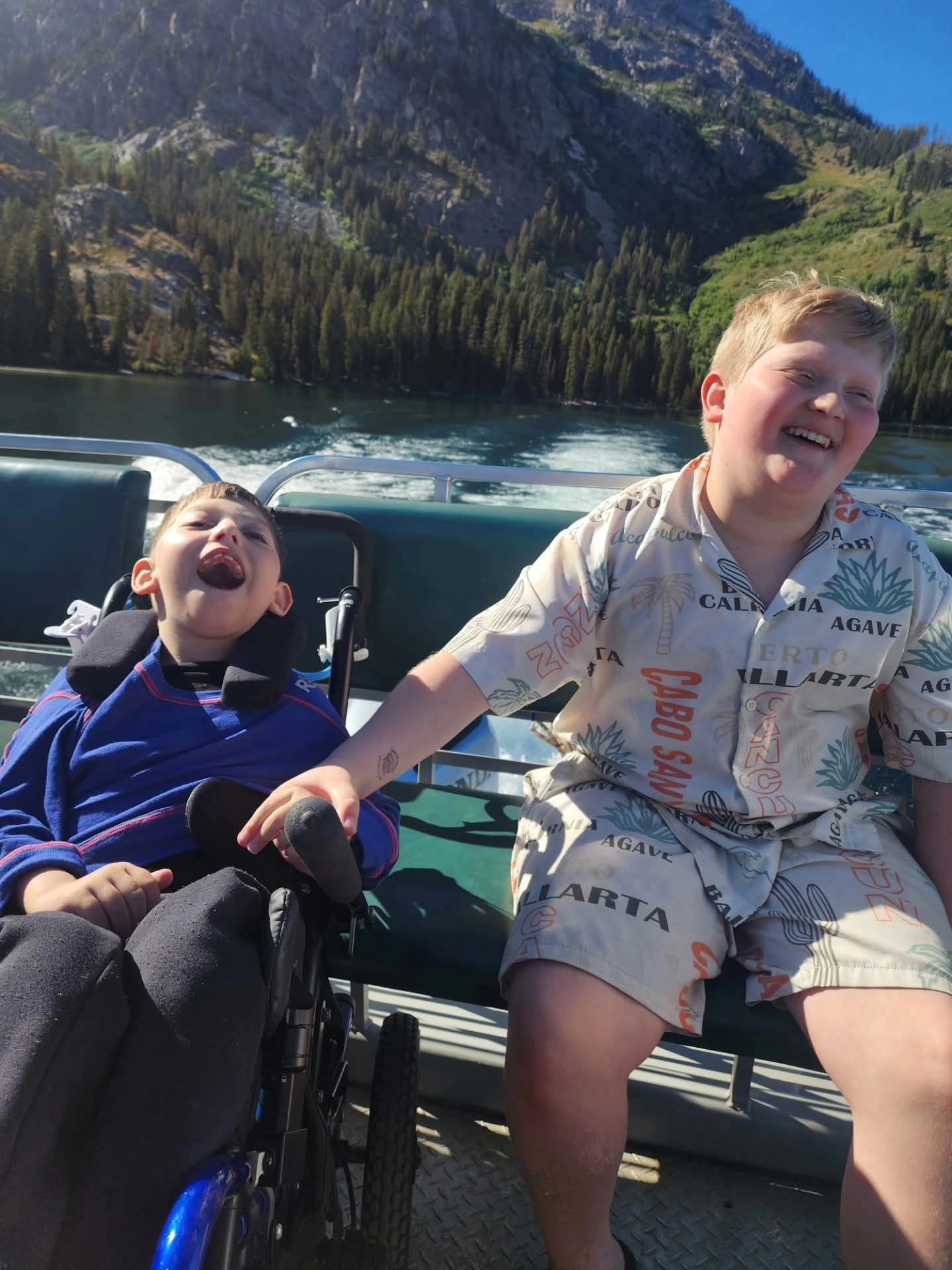
    A diverse group of individuals and families, some in wheelchairs, wearing life jackets, cheerfully posing by a lake with trees and mountains in the background.

    Myth 1: Accessible Travel is Only for People with Disabilities

    One of the biggest myths about accessible family travel is that it is solely for individuals with disabilities. In reality, accessible travel benefits a wide range of family members and friends. As we have traveled, we met people with all kinds of needs, from sensory needs to mobility needs. When something is accessible, it opens the door to enjoyable experiences for all. According to the World Health Organization, over 1 billion people worldwide experience some form of disability.

    Beyond this, aging family members also gain from accessible travel. Children requiring special accommodations benefit as well. Accessible travel options ensure that everyone can explore new destinations together. These options allow people to comfortably engage in memorable activities, regardless of their physical capabilities. The travel industry embraces diversity by offering features like barrier-free transportation, thoughtfully designed accommodations, and inclusive attractions. It creates opportunities for shared adventures that enrich family bonds and foster understanding among all travelers.

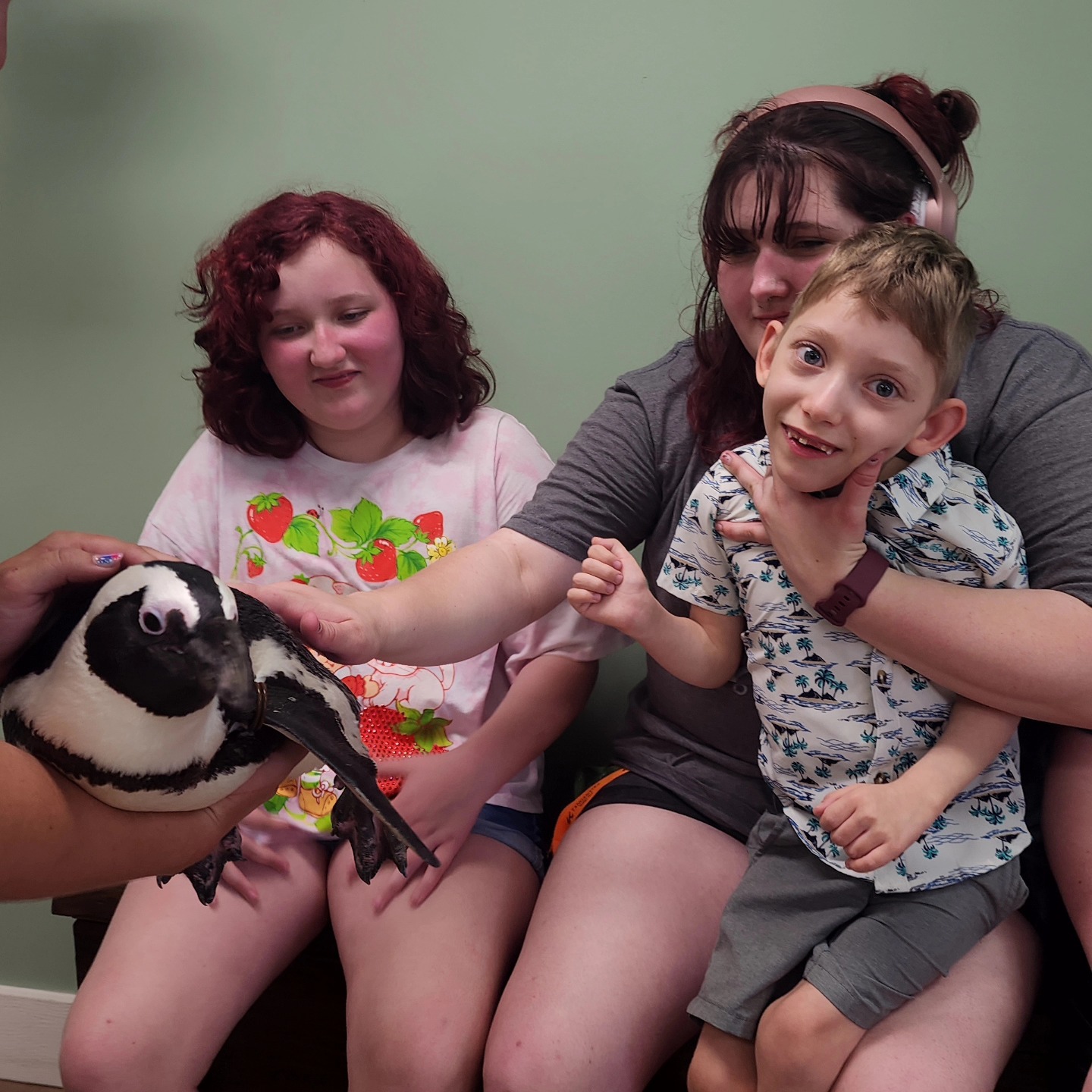
    Three women in wetsuits interact with a penguin in a shallow pool, smiling and enjoying the experience.

    Myth 2: There are Limited Destinations

    Many believe that accessible travel options are limited to just a few places. On the contrary, numerous destinations worldwide emphasize accessibility. A 2019 study by Tripadvisor found that 72% of travelers want to know about accessibility features before booking. This demand has encouraged many family-friendly destinations to prioritize accessibility.

    We have done things like swimming with penguins, riding mountain coasters, and watching Old Faithful. Locations like Tanganyika Wildlife Park, beautiful beaches, and expansive national parks are continually improving accessibility. They are now offering wheelchair rentals. Guided tours are tailored to families with varying needs.

    More hotels and resorts are adopting universal design principles to accommodate guests of all abilities. This ensures that everyone can experience the joy of travel together. The possibilities for unforgettable family adventures are vast. They range from interactive exhibits at science centers to accessible hiking trails. These experiences facilitate lasting memories.

    A well-designed accessible hotel room featuring a bed with a decorative quilt, two chairs, a coffee table, and a large window offering a view of a golf course.

    Myth 3: Accessible Accommodations are Uncomfortable

    Some assume that accessible rooms or accommodations sacrifice comfort for accessibility. This is a myth! Many hotels and resorts offer well-designed accessible rooms that go beyond mere functionality. According to the Accessible Travel Research Project, accessible accommodations increasingly feature modern amenities.

    They have spacious layouts and thoughtful design elements. These enhancements ensure that families can enjoy their stay without compromise. Extra-wide doorways and roll-in showers enhance the experience, while comfortable furnishings and quality bedding guarantee a restful night’s sleep. Many properties provide easy access to dining.

    They offer recreational options that make it effortless for guests to enjoy all that the destination has to offer. Ultimately, accessible accommodations can blend style, luxury, and convenience, proving that every traveler deserves a memorable experience.

    A child in a wheelchair interacts with a giraffe at a zoo, while another child and an adult look on.

    Myth 4: Planning Accessible Travel is Complicated

    Another common belief is that planning accessible travel is overly complicated and time-consuming. While it does require research to ensure that all needs and preferences are met, it is becoming increasingly easier. A 2018 survey by the U.S. Travel Association revealed important data. 51% of travelers actively sought information about accessibility in their travel planning.

    This drives demand for accessible travel resources. Various travel agencies offer tailored accessible travel experiences. For example, Wheel The World provides packages catering to different mobility requirements and preferences. Many websites now have accessibility filters. These filters allow users to search for accommodations and activities that meet their unique needs. This makes the planning process smoother and more informed.

    A vibrant display of dinosaur skeletons illuminated with colorful lighting in an exhibit space.

    Myth 5: It’s Too Expensive to Travel Accessible

    Finally, there is a belief that accessible travel is more expensive compared to traditional travel. As a single mom with a medically complex child, I am always looking for the cheapest options. Some accessible options can be pricier. However, a report from the Open Doors Organization states that over 40 million Americans with disabilities plan to travel. This demand is prompting service providers to offer more affordable alternatives across various budgets. Through diligent research, travelers can find numerous destinations that offer accessible accommodations at competitive prices. Traveling during off-peak seasons can significantly reduce costs. Taking advantage of programs like Museums For All. Participating in local attractions that provide accessible experiences at reasonable prices can enhance the travel experience. This remains budget-friendly.

    Conclusion

    By debunking these prevalent myths, we can pave the way for more families to embrace accessible travel opportunities. With planning and research, you can create unforgettable family experiences that ensure everyone, regardless of their needs, can enjoy travel.

    Whether you’re planning a road trip or an international vacation, remember that accessible family travel is possible. It can also be delightful!

    Ready to Plan Your Accessible Family Adventure?

    Don’t let myths hold you back from creating unforgettable memories with your loved ones! Start planning your accessible family trip today. Explore charming destinations, comfortable accommodations, and inclusive activities that cater to every family member’s needs.

    Join the adventure! Sign up for our free downloadable Accessible Travel Starter Kit below!

    Our Accessible Travel Starter Kit serves as a valuable resource for anyone planning a journey. Whether you’re a seasoned adventurer or taking your first trip, this starter kit offers a wealth of information. It enhances your travel experience.

    ← Back

    Thank you for your response. ✨

  • Flying with a Wheelchair: Navigating the Airport with Ease

    Flying with a Wheelchair: Navigating the Airport with Ease

    Navigating the Airport with a Wheelchair

    For those who need guidance on flying with a wheelchair, this article will offer helpful tips and insights.

    By Jennifer Allen.

    Jennifer Allen is the founder of Wonders Within Reach, a travel blog designed to inspire and enable families with disabilities to get out and explore. She travels with her three children, including her eight year old wheelchair user with Spina bifida. After dozens of flights with her family, she’s picked up a few tips on navigating the airport with a wheelchair and extra needs.

    Flying with a wheelchair is one of the number one barriers that keeps families with disabilities from traveling, and it all starts with navigating the airport. Air travel can feel overwhelming, especially when navigating the airport with a wheelchair, extra equipment, extra medical supplies, and extra needs. 

    Did you pack everything you need? Will you be allowed to take it all on the plane? How will you take care of bathroom needs on an inaccessible plane? What about the liquids you need for the feeding tube before you land? 

    It feels like there are a million and one things to juggle for each trip. It’s easy to feel daunted, but with some preparation and the right strategies, it’s absolutely possible to make the journey smoothly. I’ve flown about 30 times with my son in a wheelchair, and it gets a little easier each time. At this point, my eight year old knows the drill and can navigate the airport with a wheelchair mostly on his own! Here are some things I’ve learned that will help you tackle obstacles and approach your next trip with confidence.

    Arriving at the Airport: Plan Ahead for Parking and Transport

    Parking near the airport can add stress and expense. Don’t wing it. Generally, parking at the airport is cheaper than an off site lot. We usually park in the economy lot and take the accessible shuttle to the airport. We’ve never had an issue with a bus lift.

    For a longer trip, another good option is a hotel “park and fly” package. These include free parking and a shuttle to the airport. Often, these options are more affordable than long-term airport parking and can save time on travel day. If you choose this route, call ahead to confirm that the parking extends beyond your overnight stay. Waking up near the airport, knowing your car is parked safely, can reduce morning chaos when flying with a wheelchair.

    Use Your Own Wheelchair

    There is no need to check your wheelchair with your bags when you arrive at the airport. You can check it at the gate. This allows you to use it throughout the airport and ensures it’s with you right until boarding. 

    For younger kids, strollers or wagons are lifesavers and can also be gate-checked. Navigating the large terminals while managing bags and children becomes much easier when you have wheels to rely on. 

    Pack Everything You Need

    While packing efficiently makes travel days easier, it’s also worth noting that you don’t need to leave anything behind. Anything medically necessary travels for free with you on the plane – even if you have a basic economy ticket that doesn’t include a carryon. Medically necessary means equipment, crutches, CPAPs, breast pumps, walkers, carriers, dialysis machines, syringes, catheters, oxygen concentrators, nebulizers, foley bags, water, juice, liquid nutrition: anything that is medically necessary! If it’s something that’s not obviously necessary, it’s wise to have a note from your doctor in case anyone gives you push back. 

    • Medical Bag: I suggest you keep all of these medically necessary things in their own bag to avoid any debate on whether it flies free.
    • Diaper Bags: Children in diapers are allowed an extra carry-on for diapering essentials, even on basic economy tickets.
    • Car Seats: Car seats travel for free and can be checked at the gate, with luggage, or brought on board for your child’s use.
    • Comfort Items: Bring snacks, activities, and familiar items like blankets or stuffed animals to keep your child comfortable during the flight.

    If you’re struggling to carry all of your medical equipment on board, ask for help. Most flight attendants and airline staff are happy to help you board as efficiently as possible.

    TSA Tips: Navigating Security Smoothly

    Now that you have all this extra stuff, how are you supposed to get through security? It actually isn’t hard. It just takes a little extra time

    • Medically Necessary Liquids: You can bring formula, medications, and other essential liquids in your carry-on. These will go through extra screening, so pack them together for easier access.
    • Allow Extra Time: Security with a wheelchair or medical supplies can take longer, sometimes up to 45 additional minutes. Plan accordingly to avoid feeling rushed. The wheelchair will be wiped to check for explosives. The wheelchair users hands and the caregivers hands will also be swabbed – regardless of who’s controlling the wheelchair.
    • TSA Cares: Call TSA at 855-787-2227 ahead of your trip to arrange any additional assistance or to address any concerns. They can provide a representative to escort you through security, helping to streamline the process and reduce stress.

    The Benefits of TSA PreCheck

    For families with disabilities who plan to travel often, TSA PreCheck can be a game-changer. With this program, you’ll experience shorter lines and won’t need to remove shoes, belts, or light jackets. This balances out the extra time needed for screening liquids and swabbing chairs. Kids under 12 can accompany parents through the PreCheck line at no extra cost, making the security process much quicker and less stressful. It’s $78 for five years, and includes yourself and any children under 12.

    Figure Out the Bathroom

    This is one of the hardest parts for us. Not only are adult size changing tables hard to find, but flights are long and the airplane restrooms are completely inaccessible.

    Once you make it through TSA, ask a staff member for the best accessible restroom. Often there’s a secret family restroom or first aid area that will accommodate more challenging bathroom needs. We’ve used these secret bathrooms for enemas and chicken nuggets before boarding.

    You’ll also need a plan for the plane. Our son has a stoma so it’s easy for him to wear a foley bag on the plane and skip the bathroom. Some people wear double diapers. Some people travel with personal containers for emptying from their seats. 

    Many planes have the option of an aisle chair to use for the bathroom in-flight, but you’ll want to confirm that in advance. 

    Preboard

    Wheelchair users will be allowed to board first. This is essential because of the extra time needed once you get to the plane. At the gate, the wheelchair user will transfer to an aisle chair to be rolled to your seats. These chairs are extra narrow and have no arm rests in order to fit down the center of the plane and allow for easy transfers.

    Keep as Much of Your Chair as Possible

    Most major aircrafts have a closet for storing wheelchairs. Unfortunately, these closets are small and only accommodate wheelchairs that can fold up to fit in the narrow space. Always ask: it never hurts to try.

    If your chair can’t stay onboard with you, keep as much of it as you can. The more you keep with you, the less risk you have of something breaking. We take our wheels, clothing guards, push handles, and seat cushion. Again, this is a lot to manage while you’re also helping all of your children to board, so…

    Ask for Assistance When Needed

    Airport staff are there to help—don’t hesitate to ask. Whether it’s assistance with luggage, finding accessible restrooms, or transferring from a wheelchair to an airplane seat, a polite request often leads to a helping hand. Starting with a smile and clear communication can go a long way.

    Embrace Flexibility and Patience

    Travel days rarely go as planned. Delays happen, lines grow longer than expected, and little ones get tired. Build extra time into your schedule and focus on the positives. Each challenge you overcome makes you more prepared for the next trip.

    Flying with a wheelchair and kids with disabilities isn’t without its challenges, but it’s also an irreplaceable opportunity to show your child the world and to create beautiful family memories. 

  • Accessible Hampton Inn Beachfront Panama City Beach FL

    Accessible Hampton Inn Beachfront Panama City Beach FL

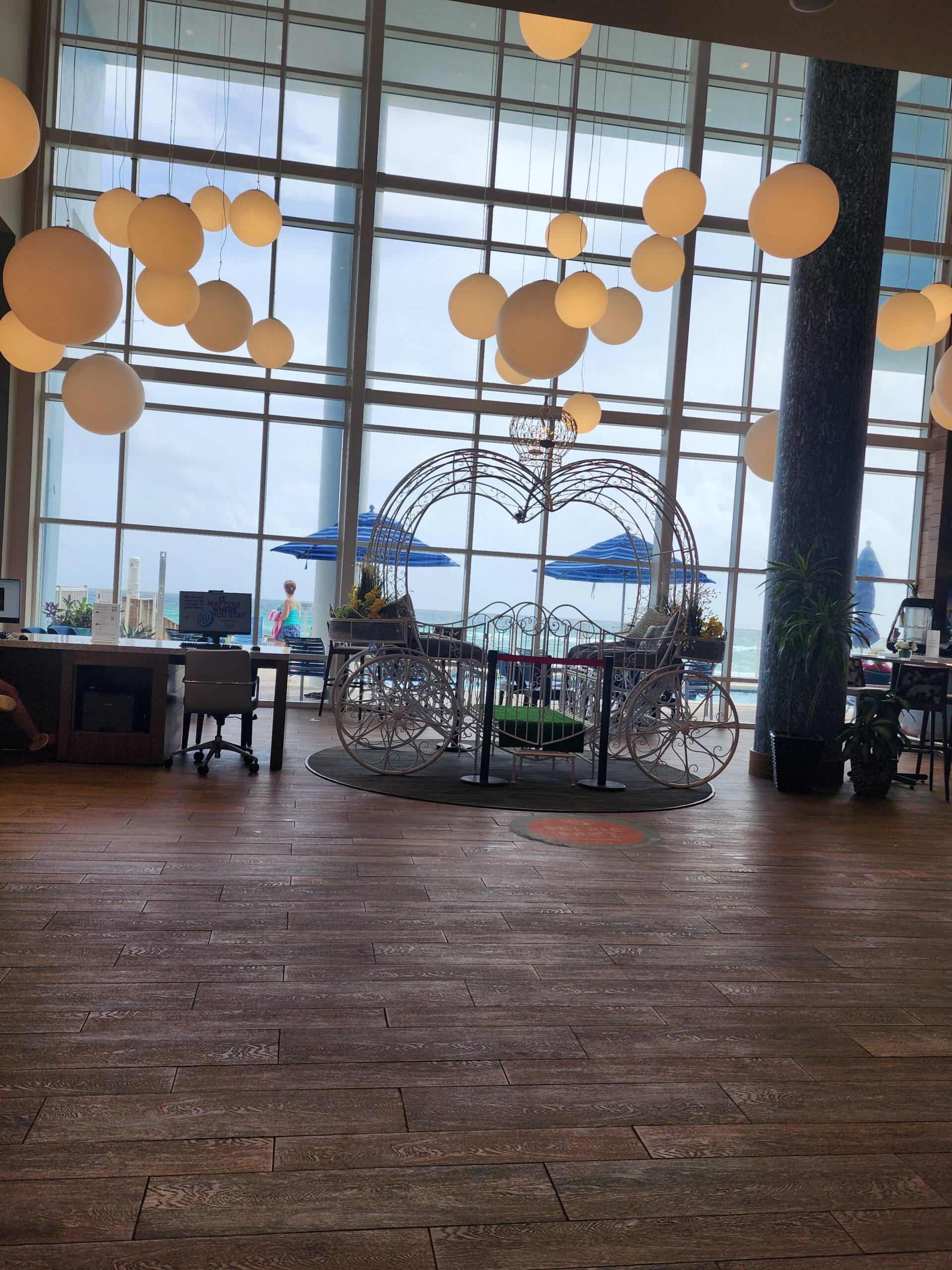
    We got to visit Panama City Beach Florida this summer. It is an incredible place with many accessible options for families. We stayed at the Hampton Inn beachfront. Let me tell you—the view was absolutely breathtaking! Finding a truly accessible balcony is a rare gem, but this place nailed it. We booked a double queen suite, perfect for our crew with its two beds and fold-out couch. Plenty of room for everyone to spread out. But, if I’m being honest, we hardly spent any time in the room. The hotel had so much to offer!

    Accessible Pool and Beach

    Their pool was a major highlight. The beach was also a highlight, especially since it has a ramp leading right down to the sand. The accessible features are excellent! Plus, there are several spots where you can get free beach wheelchairs on a first-come, first-serve basis. Some companies rent out power beach chairs if you need something more robust. We spent a day on the beach building sandcastles with friends and another entire day lounging by the pool. The hotel even has a poolside restaurant. It offers drinks and dining options for everyone. This makes it easy to relax and enjoy.

    Traveling with kids means laundry is inevitable, so the two laundry rooms were a lifesaver. And let’s not forget the included breakfast! There’s nothing like starting a beach day without worrying about where to find breakfast. The staff at the Hampton Inn were fantastic. I want to give a special shout out to Nan at the front desk. She made our stay even more enjoyable. We can’t wait to return and soak up more of that beachside bliss!

    Our evenings were equally delightful. The sun dipped below the horizon, painting the sky in hues of pink and orange. We would gather on our accessible balcony to watch the spectacular sunset. The gentle sound of waves crashing against the shore provided the perfect soundtrack to our relaxing moments.

    Nearby Attractions

    We often strolled along the beach after the sunset. The cool sand was between our toes. The night breeze whispered through the palm trees. The hotel’s location made it easy to explore nearby attractions. We even found a few charming local eateries that offered delicious dishes. And even got to explore the Gran Maze with friends. You can find more accessible attractions and options at Visit Panama City Beach

    Our stay at the Hampton Inn Panama City Beach was more than just a vacation. It was a collection of cherished memories with friends. We will hold these memories dear for years to come. From the incredible accessibility features to the friendly staff and endless activities, it was the perfect getaway for our family. We are already planning our next visit and are eager to experience the beauty and hospitality again.