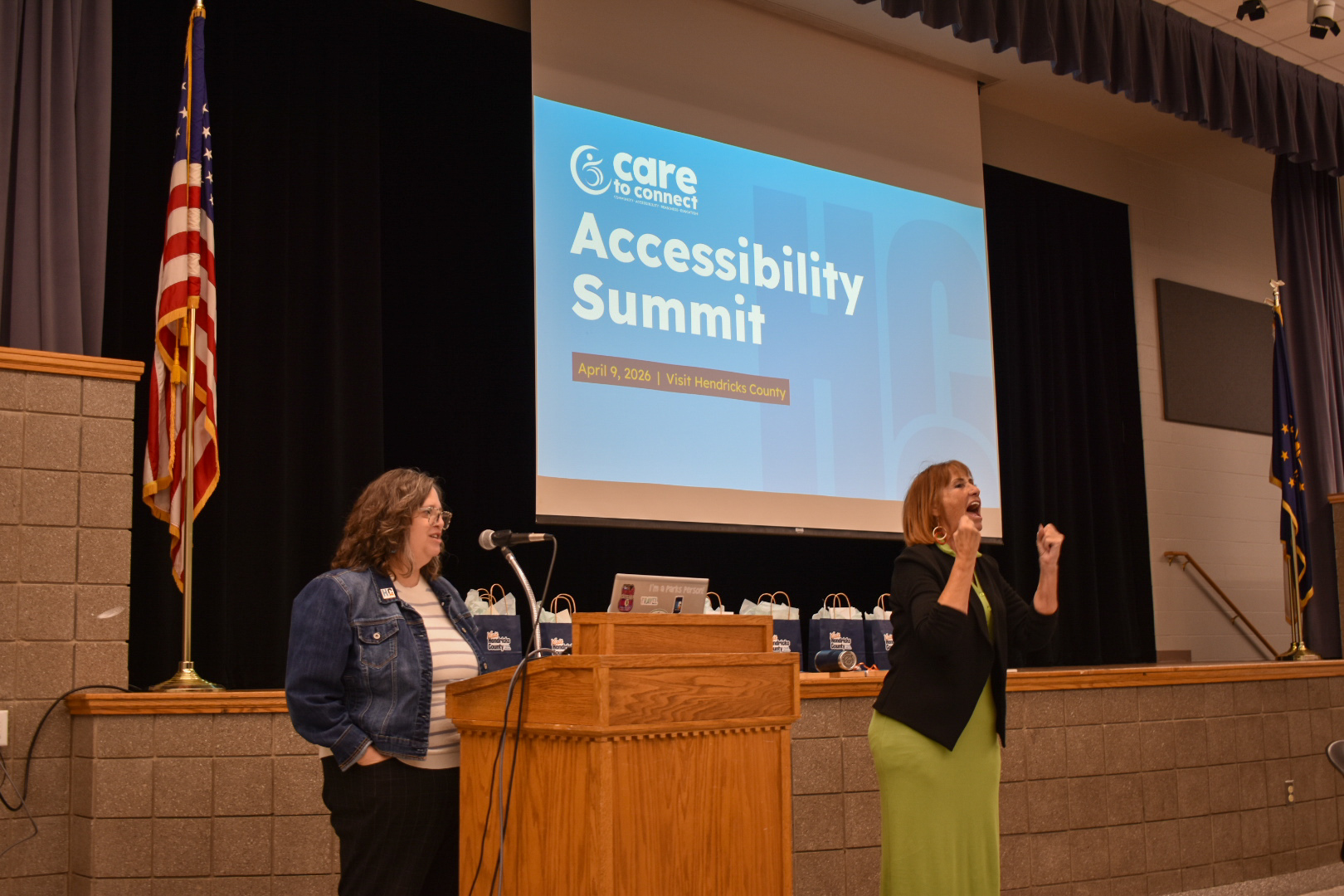
How Hendricks County, IN Became a National Model for Accessible, Inclusive Travel
Most destinations talk about accessibility.
Hendricks County is building it into the blueprint.
In April, the county hosted its first-ever Accessibility Summit, bringing together tourism leaders, business owners, parks departments, nonprofits, and families with lived experience. It wasn’t a symbolic gathering. It was a working session, a place where real stories met real strategy, and where a community chose to move from awareness to action.
As a mom traveling with a medically complex child, I’ve learned to recognize the difference between performative inclusion and the real thing. What I witnessed in Hendricks County was rare, a destination not just listening, but changing.
An Accessibility Summit Rooted in Lived Experience
The accessibility summit was born from a simple but powerful idea:
Accessibility improves when the people most affected are invited to lead the conversation.
Families shared what it feels like to navigate crowded spaces, unpredictable sensory environments, and attractions that weren’t designed with disability in mind. Business owners and tourism partners listened not defensively, but with curiosity and humility.
This wasn’t a room full of experts talking at each other.
It was a room full of neighbors learning from one another.
The county’s tourism team emphasized that accessibility isn’t a checklist; it’s a culture. And culture shifts when people are willing to ask hard questions, hear hard truths, and commit to meaningful change.


From Conversation to Action
What impressed me most was how quickly Hendricks County moved from listening to doing.
Participants left the accessibility summit with actionable steps, including:
- Creating sensory‑friendly experiences at attractions, museums, and events
- Improving physical accessibility in parks, trails, and public spaces
- Training staff in disability‑inclusive hospitality across hotels, restaurants, and venues
- Developing adaptive outdoor opportunities, including Grit Freedom Chair access
- Building inclusive dining environments with room to maneuver and flexible seating
- Strengthening partnerships with disability organizations to ensure ongoing accountability
This wasn’t a one‑day event.
It was the beginning of a long-term commitment.
A County Willing to Lead
What sets Hendricks County apart is not perfection, but willingness.
Willingness to learn.
To change.
Willingness to lead.
The accessibility summit made one thing clear: this community understands that accessibility is not a trend or a marketing angle. It’s a responsibility. And when destinations embrace that responsibility, families like mine feel something we rarely feel when we travel:
Belonging.


Why This Matters for Families Like Mine
Traveling with a medically complex child means every outing is a calculation.
Will there be shade?
Will there be space?
What about understanding?
In Hendricks County, the answer is yes, not because they have all the answers, but because they are committed to finding them.
The accessibility summit validated something I’ve believed for years:
Accessibility grows when communities choose to listen to lived experience.
And Hendricks County is choosing that path boldly.
ACCESSIBILITY NOTES: Hendricks County’s Leadership in Action
Staff trained in disability‑inclusive hospitality Businesses are learning how to welcome families with dignity and ease.
Sensory‑friendly experiences. Attractions are adopting quiet hours, reduced‑stimulus environments, and sensory tools.
Zero‑entry pools & adaptive equipment. Aquatic centers are expanding barrier‑free water access.
Inclusive dining, restaurants are rethinking layout, flow, and staff training.
Accessible entertainment venues Theaters and museums, are improving seating, pathways, and communication.
Grit Freedom Chair outdoor access Parks are partnering to open trails to wheelchair users.
Staff trained in disability‑inclusive hospitality Businesses are learning how to welcome families with dignity and ease.


A Blueprint for the Future
Hendricks County isn’t just improving accessibility.
They’re modeling what it looks like when a community chooses inclusion as its foundation.
They’re proving that accessibility isn’t a burden, it’s a bridge.
A bridge to belonging.
To joy.
A bridge to a world where every family, every body, and every story has a place.
And that is leadership worth celebrating.


