Accessible Road Trips: How Families Like Mine Travel With Confidence, Creativity, and Joy
Road trips as lifelines, not just vacations.How medically complex families turn the open road into possibility.
Accessible Family Road TripsRoad trips have always been part of the American story: open roads, wide skies, and the freedom to explore at your own pace. But for medically complex families like mine, road trips aren’t just vacations. They’re lifelines. They’re opportunities to experience the world without the barriers that often come with air travel, rigid schedules, or inaccessible attractions.
As an accessible family travel consultant, I help families, destinations, and tourism partners understand what it truly takes to make road travel possible and joyful for kids who use wheelchairs, medical equipment, sensory supports, or adaptive devices. And I’ve learned that accessible road trips aren’t defined by limitations. They’re defined by intention.
Here’s how families like mine make the road feel possible and how destinations can rise to meet us.
Understanding Accessibility Needs for Road Trips
Accessible road trips begin long before the engine starts.
Families traveling with mobility devices, feeding tubes, oxygen tanks, sensory needs, or medical unpredictability need more than a map. We need:
Flexible pacing: Road trips must bend around medical routines, sensory breaks, and fatigue. The best itineraries leave room for rest, recalibration, and unexpected needs.
Reliable access to supplies: We plan routes around hospitals, pharmacies, and grocery stores that carry the brands our kids rely on. Accessibility isn’t just ramps, it’s access to care.
Vehicle readiness: From wheelchair tie‑downs to portable power stations for medical devices, our vehicles become extensions of our homes. A road trip is only as accessible as the space we travel in.
Sensory‑friendly environments: Rest stops, parks, and attractions with quiet spaces or low‑stim areas make the difference between overwhelm and joy.
People who pause: The most important accessibility feature is human. Staff who don’t flinch at medical equipment, who offer shade, water, or patience. They’re the ones who make travel possible.
When destinations understand these needs, they become part of our story instead of part of our stress.
Top Accessible Road Trip Destinations for Families
After over sixty thousand miles on the road with Elijah and his siblings, I’ve learned which destinations truly show up for medically complex families. These places don’t just offer accessibility, they offer ease.
-
1. Wichita, Kansas – Slightly Off Center and Perfectly Welcoming
A city that leans toward kindness, curiosity, and families who travel differently. Exploration Place, Tanganyika Wildlife Park, and the Museum of World Treasures offer accessible experiences without compromise. -
2. Route 66 – The Great American Accessible Road Trip
From Oklahoma’s Indigenous cultural centers to Arizona’s sensory‑friendly desert landscapes, Route 66 offers wide-open accessibility and endless opportunities for families to explore at their own pace. -
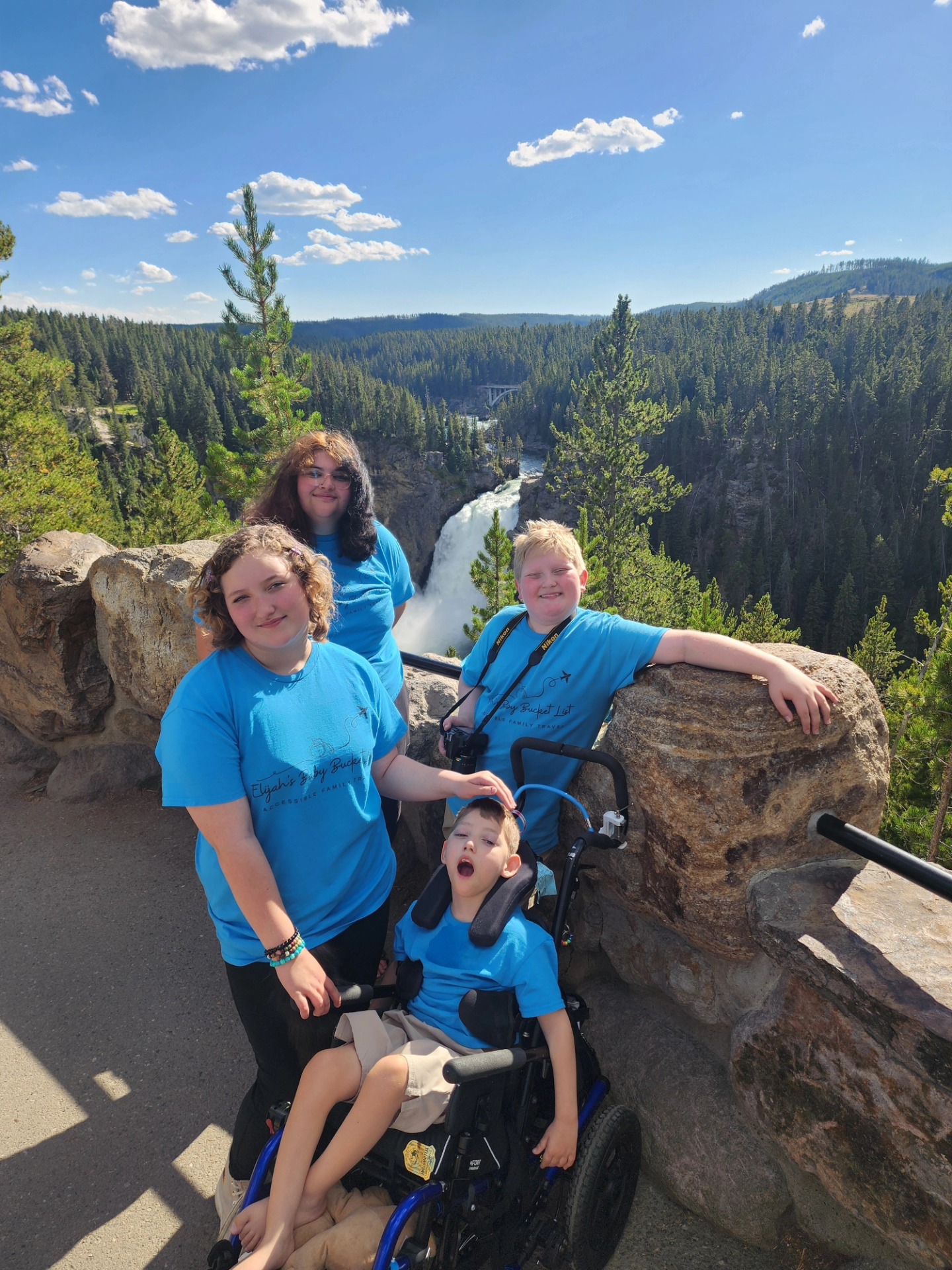
3. Yellowstone National Park (with intention)
With planning, early mornings, and strategic routes, Yellowstone becomes a breathtaking accessible adventure, geysers, wildlife, and quiet moments that feel sacred. -
4. Hendricks County, Indiana
Hendricks County, Indiana, is a charming area with small-town ambiance and modern conveniences. With its friendly communities and picturesque landscapes, it offers a variety of recreational opportunities, from serene parks to lively local events. Whether you are exploring quaint downtown shops, savoring delicious cuisine at family-owned restaurants, or joining seasonal festivals that celebrate the region’s heritage, Hendricks County invites you to experience a warm, welcoming environment. The county’s commitment to community engagement ensures that there are always activities and events to bring people together, fostering a sense of belonging for all who call this lovely place home. -
5. Coastal Florida
From Jacksonville Beach to St. Augustine, coastal Florida offers wheelchair‑friendly boardwalks, accessible museums, and calm sensory environments perfect for medically complex kids.
These destinations aren’t just accessible, they’re intentional. They understand that accessibility is a mindset, not a checklist.
Planning Your Accessible Road Trip: Tips and Resources
Accessible road trips succeed when planning meets flexibility. Here’s how families like mine prepare:
- Build a Medical Travel Folder
Include medication lists, emergency plans, doctor’s letters, insurance info, and copies of prescriptions. This folder becomes your anchor. - Pack a “Never Leave This Bag” Kit
Medical essentials, backup supplies, chargers, extension cords, and comfort items stay within arm’s reach at all times. - Choose Lodging With Real Accessibility
Call hotels directly. Ask about bed height, roll‑in showers, elevator access, and room layout. Photos matter, but lived‑experience verification matters more. - Plan One Anchor Activity Per Day
Medically complex kids thrive with pacing. One meaningful activity + rest time = a successful day. - Map Out Accessible Stops
Identify rest areas, grocery stores, pharmacies, and hospitals along your route. Peace of mind is part of accessibility. - Use Lived‑Experience Reviews
Families like mine share the truth, what worked, what didn’t, and what destinations need to improve. - Advocate Without Apology
Ask questions. Request accommodations. Speak up. Your family deserves access.
Real Family Experiences on Accessible Road Trips
Every accessible road trip becomes part of our family’s story, a collection of moments that remind us why we keep traveling.
Elijah’s Glass‑Bottom Pool Moment in Wichita
A rooftop pool with a clear floor became a core memory. Elijah rolled up, looked down, and lit up with wonder. Staff didn’t rush us. They simply made space for joy.
Isaiah’s Chase Scene at the Museum of World Treasures
A curious reach turned into a full‑blown adventure. Staff laughed with us, guided us, and welcomed our chaos with kindness.
Early Morning Paint Pots in Yellowstone
Quiet pathways, gentle steam, and sulfur‑tinged air created a sensory‑friendly moment of awe.
Turner Falls at Sunset
Accessible pathways, cool water, and a sunset that felt like a blessing after a long day of travel.
Route 66’s Unexpected Magic
Chocolate factories, Indigenous cultural centers, roadside diners, and wide-open landscapes that made accessibility feel expansive instead of restrictive.
These moments aren’t accidents. They’re the result of destinations choosing to lean, just slightly, toward families like mine.
Final Thoughts: Accessible Road Trips Are Acts of Hope
Accessible road trips aren’t easy. They require planning, flexibility, advocacy, and resilience.
But they also offer something priceless:
Ease. Connection. Joy. Possibility.
When destinations choose accessibility, they choose families like mine. They choose to make space for medically complex children to experience wonder without apology.
And that’s the heart of accessible family travel.
Not perfection, not checklists. Not compliance.
Kindness. Intention. And the courage to learn.


Leave a Reply