
Real Places That Welcomed Elijah With Joy
Traveling with a wheelchair and a medically complex child reshapes the way you see the world. If you are searching for information on Wheelchair Friendly Destinations, you start noticing the slope of a ramp, the warmth in a stranger’s smile, the way staff speak to your child instead of around them. For our family, accessibility isn’t a bonus; it’s the doorway to possibility.
Through Elijah’s Baby Bucket List, we’ve discovered destinations that didn’t just make space for us; they embraced us. What follows isn’t a generic list pulled from the internet. These are 10 places we’ve personally visited, where Elijah was welcomed with dignity, joy, and genuine inclusion.
And each one reminded us why we keep saying yes to adventure.
1. St. Louis, Missouri, Where Big Adventures Meet Big Heart
Our journey begins close to home, in a city that showed us early on what true wheelchair friendly destinations can feel like. At the St. Louis Aquarium, a staff member knelt down to Elijah’s level and spoke directly to him a simple gesture that meant everything. With smooth pathways, elevators, and wide viewing areas, St. Louis became a place where we could explore without hesitation.
Why it works: Big‑city experiences paired with Midwest kindness create a foundation of trust for families like ours.


2. Springfield, Missouri Cars, Wildlife & Accessible Wonder
From St. Louis, the road leads naturally to Springfield a city that surprised us with how seamlessly it blends nostalgia and accessibility. Elijah adored the Route 66 Car Museum, where wide aisles let him roll right up to the classics. But the real magic happened at Wild Animal Safari Park, where he stayed safely positioned in his wheelchair inside the van as zebras and camels wandered right up to the windows.
Why it works: Springfield proves that accessibility doesn’t have to be complicated to be meaningful.
3. Wichita, Kansas: Most Wheelchair Friendly Destination
Continuing west, Wichita offered one of the most inclusive wildlife experiences we’ve ever had. Tanganyika Wildlife Park didn’t just accommodate Elijah; they adapted the experience so he could participate fully. When it comes to wheelchair friendly destinations, this is one of our favorites! Smooth pathways, level entrances, and staff who instinctively understood how to support him made the day feel effortless.
Why it works: It’s immersive, hands‑on, and designed with families of all abilities in mind.


4. Los Angeles, California Big City, Big Accessibility Wins
From the Midwest to the West Coast, Los Angeles surprised us with how navigable a major city can be. At the GRAMMY Museum, Elijah lit up at the music and lights, and the accessible layout meant he could explore every floor with ease. LA reminded us that iconic experiences don’t have to be out of reach.
Why it works: Thoughtful design meets world‑class attractions.
5. Lancaster, Pennsylvania, Slower Pace, Bigger Welcome
Shifting from the bustle of LA to the quiet beauty of Lancaster felt like an exhale. The rolling farmland, the slower pace, and the genuinely welcoming community made it one of the most peaceful accessible trips we’ve taken. Smooth pathways and inclusive attractions allowed Elijah to participate fully without sensory overload.
Why it works: Lancaster offers accessibility wrapped in calm, a gift for medically complex families.


6. Panama City Beach, Florida Beaches That Truly Include Wheelchairs
From farmland to the ocean, Panama City Beach gave Elijah something he rarely gets: direct access to the shoreline. Beach wheelchairs, accessible mats, and wide boardwalks made the beach feel possible and joyful. It’s also home to the Caregiving Moms Refresh Retreat, a place where caregivers finally get to rest.
Why it works: PCB understands that accessibility at the beach isn’t optional; it’s transformative.
7. Pigeon Forge, Tennessee Inclusion in the Heart of the Smokies
Heading into the mountains, Pigeon Forge offered one of our most emotional moments of inclusion. At Rocky Top Mountain Coaster, the staff helped transfer Elijah into the cart with such care. My hesitation melted away. On the first turn, he let out a squeal of pure joy, loud enough that everyone in line smiled. When we returned, he signed “more, more, more.”
A young staff member, whose sister has Spastic Cerebral Palsy, offered to hold Elijah while I got out. His kindness turned a simple ride into a moment of connection I’ll never forget.
Why it works: Pigeon Forge blends big fun with genuine inclusion.


8. Grand Canyon, Arizona: A Place That Redefined Accessible Adventure
From the Smokies to the Southwest, the Grand Canyon reminded us that even the biggest landscapes can be accessible. The paved Rim Trail, accessible overlooks, and smooth pathways allowed Elijah to experience the canyon’s vastness right alongside everyone else. Makes it one of our favorite outdoor wheelchair friendly destinations. At Mather Point, a gentle breeze hit his face. He let out a belly laugh. His laughter echoed across the canyon.
Why it works: The Grand Canyon offers some of the most wheelchair‑friendly trails in the National Park system.
9. Rapid City, South Dakota: Unexpected Joy in the Middle of a Breakdown
Sometimes the best destinations aren’t planned. Rapid City became one of our most meaningful stops after a van breakdown forced us to slow down. Instead of frustration, we found accessible pathways, scenic overlooks that didn’t require hiking, and locals who helped without making us feel helpless.
Why it works: Rapid City proves that accessibility and kindness can turn a stressful moment into a treasured memory.


10. San Diego, California: History, Heart, and True Accessibility
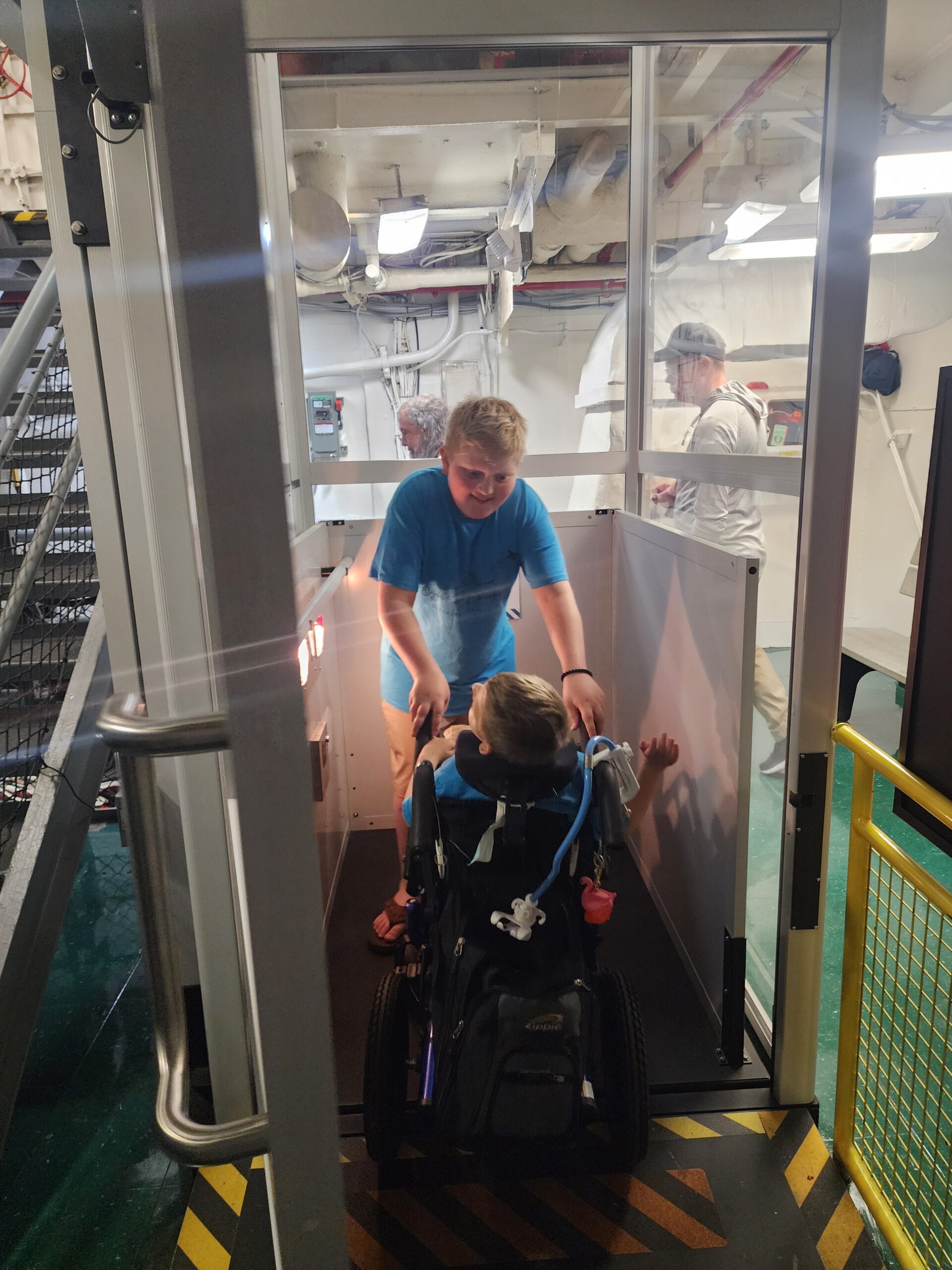
Our journey ends on the coast. We board the USS Midway Museum in San Diego. This place showed us how history can be made accessible with intention. Elevators, wide pathways, and trained staff made navigating a massive aircraft carrier surprisingly smooth. Volunteers took the time to talk to Elijah, point out details, and make sure he felt included.
Why it works: San Diego blends coastal beauty with thoughtful accessibility. This combination makes it one of the most inclusive big‑city destinations we’ve visited.
What These Wheelchair Friendly Destinations Have in Common
Across cities, coastlines, mountains, and deserts, one truth stayed constant: Accessibility is about dignity. Inclusion is about humanity.
Every destination on this list offered:
- Space
- Flexibility
- Kindness
- Staff who didn’t make us feel like an inconvenience
And that’s what accessible travel is really about, not perfection, but possibility. The essence lies in creating experiences that empower everyone, regardless of their abilities, to explore new places and cultures. It is about designing environments where barriers are eliminated and inclusivity is celebrated, ensuring that every traveler can embark on their journey with confidence and joy. By embracing adaptability and innovation, we can transform travel into a realm of endless opportunities for all.


