Tag: TravelingWithAWheelchair

  • Exploring the San Antonio River Walk With Kids & Wheelchairs: Our Accessible Family Experience

    Exploring the San Antonio River Walk With Kids & Wheelchairs: Our Accessible Family Experience

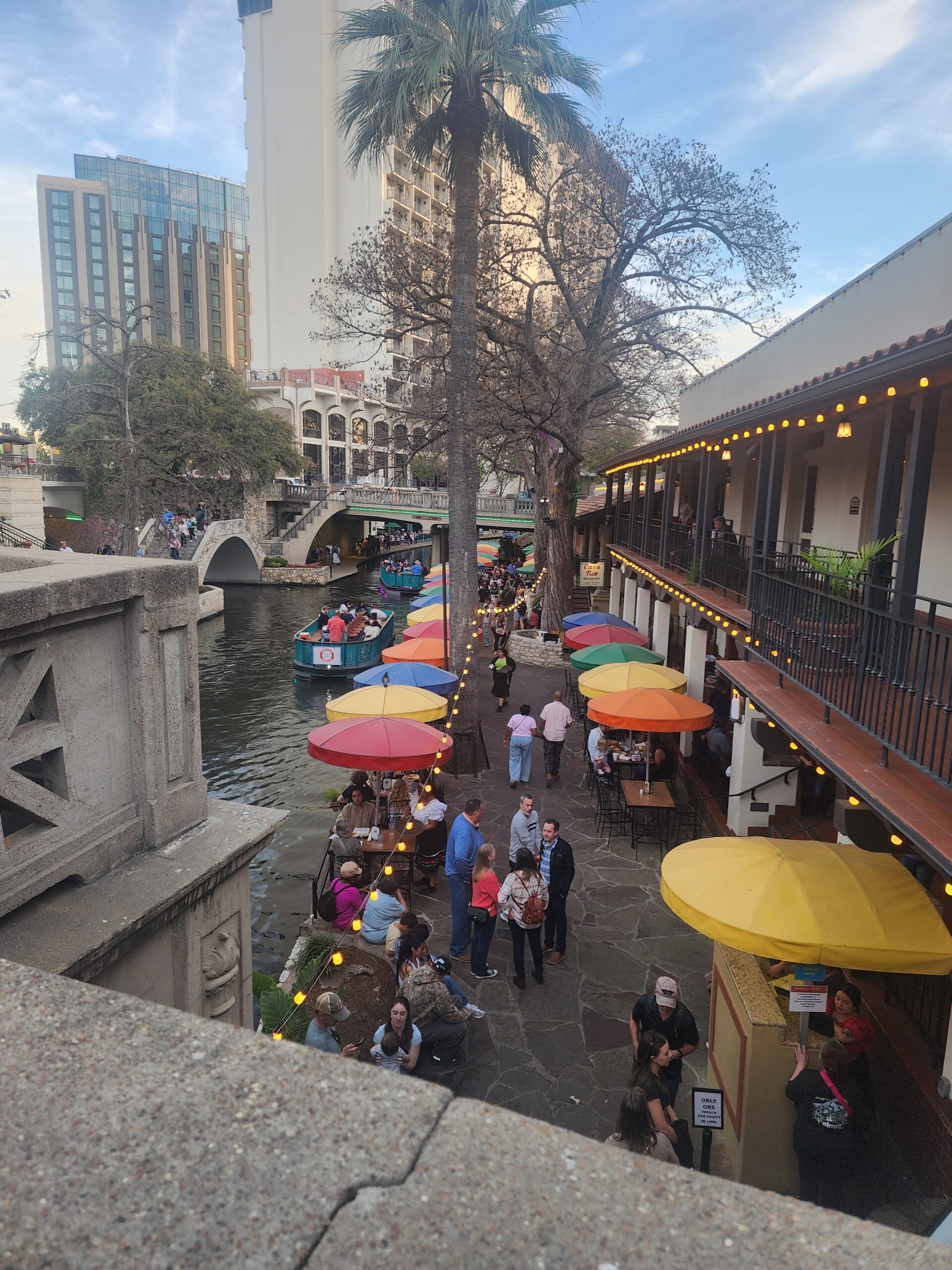
    San Antonio’s River Walk feels like something out of a storybook. It features lush greenery and stone bridges. You can see glowing lights dancing across the water. But what made it unforgettable for us wasn’t just the scenery. Our family moved through it with ease. San Antonio River Walk accessibility is truly impressive. The mini-humans did so with joy and a sense of belonging.

    And it was made even sweeter because we weren’t alone. We met up with a friend, a little girl named E, who also uses a wheelchair, and her mom, Neely. Watching the kids play together along the water laughing, racing, inventing games only kids can dream up felt like a reminder of why we do this. Why we travel. Why we keep showing up in the world with our wheels, our courage, and our hope.

    A young girl in a wheelchair sits on a path, while another person with red hair and a black hoodie faces her. Surrounding trees are visible, and there are other people walking in the background.

    Then something happened that I’ll never forget.

    As the kids played, random people walking by started joining in cheering them on, giving E high‑fives, smiling with that kind of genuine warmth you can’t fake. It was simple, spontaneous, and so deeply human. For a moment, the world felt exactly as it should be. It was inclusive and joyful. People saw our kids not as limitations, but as light.

    It wasn’t just a walk. It was community in motion.

    How Accessible Is the San Antonio River Walk? Our Honest Experience

    We explored the River Walk a handful of times. Both during the day, when it was buzzing with life, and again at night. When everything softened into a calmer, more sensory‑friendly version of itself. We even enjoyed dinner together one evening by the river. We were pleasantly surprised by how accessible it felt.

    A group of four people, including children, sitting at a table by a river in a cozy, illuminated restaurant. They are looking at menus with a relaxed atmosphere.
    Scenic view of a canal with a stone bridge, surrounded by trees and a flower pot, featuring a brick pathway along the water's edge.

    Smooth Pathways (With a Few Cobblestones)

    There are a few cobblestone patches, but nothing we couldn’t navigate with two different manual chairs. Most of the River Walk is smooth and steady. It’s easier to roll on than the street‑side walk we took to the Alamo. But that is another blog post!

    ADA Map You Can Scan on the Spot

    One of the best features is the scannable ADA map posted along the route. It gives you instant access to ramps, elevators, and accessible paths. For families like ours, that information isn’t just helpful, it’s empowering. When Isaiah saw it, he said, ” We need to share that with EVERYONE!

    Sign for River Walk A.D.A. maps, featuring a QR code, near a waterway with people walking in the background.
    A curving walkway over a canal, surrounded by greenery and buildings. People are walking along the path and on a bridge above the water.

    One Long Ramp (But It’s Avoidable)

    We did face one ramp that was long and tiring in a manual wheelchair. It’s doable, but it may require a pause or a push assist. The good news? The River Walk has an ADA map, so you can choose your direction and avoid climbing it if you prefer.

    Day vs. Night: Two Very Different Experiences

    • Daytime: Busy, lively, full of movement.
    • Nighttime: Softer lighting, fewer crowds, gentler sensory experience.

    Elijah especially loved the nighttime walk. There was less noise and more space. A sense of peace wrapped around us like a warm blanket.

    Nighttime view of a historic building with a prominent clock tower and a Texas flag, surrounded by brick structures illuminated by lights.
    A child in a wheelchair is being pushed along a stone pathway beside a building, with a tiled mural visible on the wall and benches.

    Plenty of Rest Spots & Restaurants

    There are benches, ledges, and places to sit everywhere. With kids and wheelchairs, that’s a gift. And the number of restaurants means you’re never far from a snack, a drink, or a break.

    Accessible Boats

    Yes, you can absolutely enjoy the River Walk from the water. The accessible water taxis and boat tours were a highlight. You can even buy a daily pass to hop on and off.

    A scenic view of a river with a boat carrying passengers, surrounded by buildings and trees, seen from under a bridge.
    A joyful child in a wheelchair smiles and plays outdoors near a scenic river, with a stone bridge and trees in the background.

    A Moment That Stuck With Me

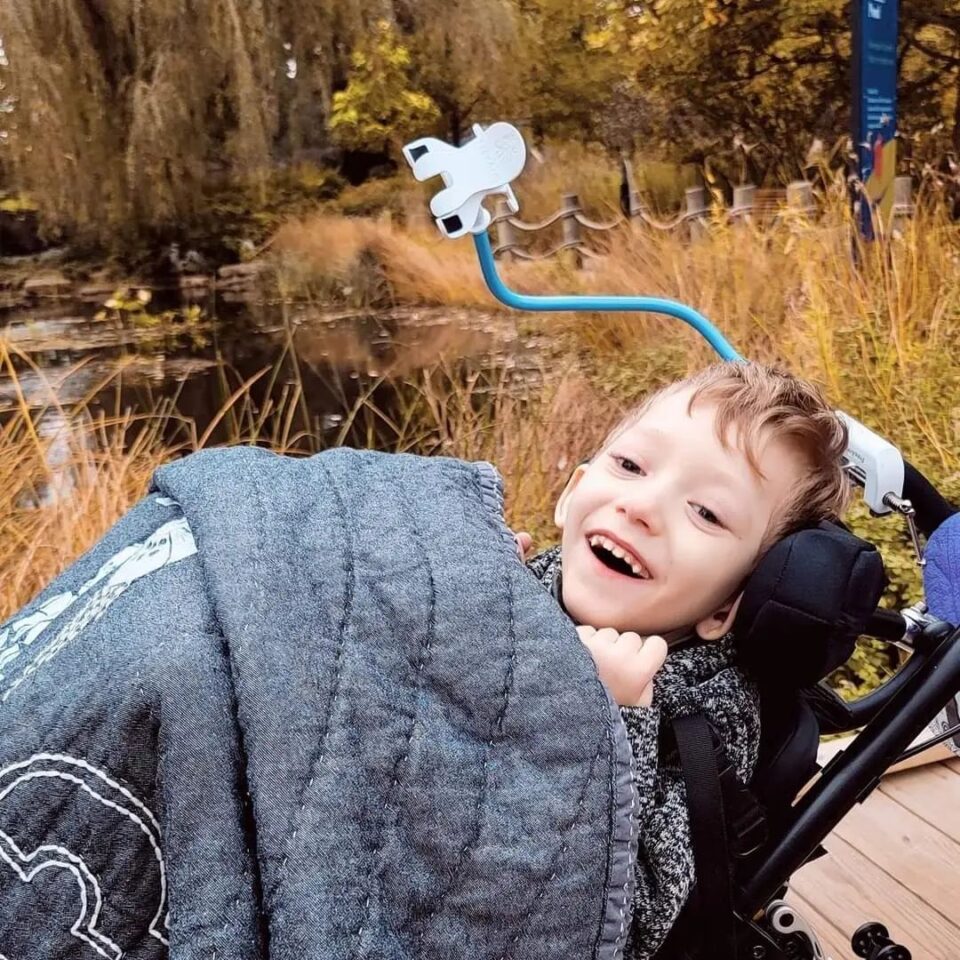
    There was a moment. It was one of those quiet times you don’t plan for. The kids were playing, and the lights shimmered across the water. Elijah leaned into me with that soft, contented laugh he does.

    And I thought: This is why we chase these moments. This is why accessibility matters. This is why families like ours deserve to be here, fully included, fully welcomed.

    The River Walk didn’t just give us a place to explore. It gave us a memory we’ll carry forever.

    Final Thoughts

    The San Antonio River Walk accessibility isn’t perfect, nothing is! But it’s far more accessible than we expected. The pathways are mostly smooth. ADA signage is helpful. There are plenty of rest spots. Accessible boat options are available. It’s a destination that welcomes families like ours with intention and care.

    If you are planning a trip to San Antonio and wondering whether the River Walk is wheelchair-accessible. Our experience says yes. It’s beautiful, manageable, and full of moments worth remembering.

    A tunnel with a red tiled archway, illuminated with soft lighting, leading to a pathway. In the foreground, a group of three individuals with a wheelchair is seen entering the tunnel.

    Know Before You Go: San Antonio River Walk Accessibility Checklist

    Before You Arrive

    • Check the scannable ADA map locations, so you know where ramps and elevators are.
    • Plan your route to avoid the long uphill ramp.
    • Decide whether you want to explore daytime energy or the quieter nighttime version.
    • If you’re considering a boat tour, look up accessible water taxi stops in advance.

    Mobility & Pathways

    • Expect mostly smooth pathways with a few cobblestone sections.
    • Manual chair users may feel some vibration in textured areas, but they’re short.
    • The River Walk has an ADA map, so you can choose the direction that works best for your mobility needs.
    • Bring gloves or push‑assist gear if long ramps are tiring.

    Crowds & Sensory Considerations

    • Daytime = busy, lively, more weaving through people.
    • Nighttime = calmer, softer lighting, more sensory‑friendly.
    • If you’re traveling with sensory needs, consider visiting after sunset for a gentler experience.
    A delicious burger topped with onions and a flag, served with a side of crispy French fries in a metal cup. The setting features an outdoor dining area with people in the background.

    Rest Stops & Dining

    • Benches and seating areas line the route.
    • Many restaurants have accessible entrances, but some have steps; check before committing. You can access outdoor dining all along the River Walk.
    • Hydration and snack breaks are easy thanks to the number of stops.

    Accessible Boat Options

    • Accessible water taxis and boat tours are available.
    • You can purchase a daily pass if you want to hop on and off.
    • Staff are generally helpful with boarding and positioning.

    What to Bring

    • A portable wheelchair cushion if cobblestone vibration is uncomfortable.
    • A small flashlight for nighttime navigation (lighting is soft and pretty, but dim in spots).
    • Backup charging for power‑assist devices.
    • A light jacket, the river breeze can be cool at night.

    Parking & Access Points

    • Look for accessible parking near the River Walk’s main entrances. We entered from out hotel.
    • Elevators are available at several access points, but some are tucked away. The ADA map helps.

    Family Tips

    • Build in time for rest breaks. There’s plenty to see without rushing.
    • If you’re traveling with kids, the nighttime walk is calmer and easier to manage.
    • The River Walk feels safe and well‑lit, making evening strolls comfortable for families.

  • How to Plan a Fully Accessible Family Vacation

    How to Plan a Fully Accessible Family Vacation

    Planning an accessible vacation can open up the world to more travelers of all abilities.

    Traveling as a family is never just about the miles you cover. It’s about the memories you make. The moments that surprise you. It’s about the way the world opens up when you step into it together. But when you’re traveling with a child who has medical, mobility, or sensory needs, planning a vacation becomes something deeper. It becomes an act of love, advocacy, and courage.

    I learned this the day Elijah was diagnosed with lissencephaly. Doctors told us to prepare for limitations. Instead, we prepared a promise: We will show you the world. Not because it would be easy. It was because he deserved to experience it. He deserved to experience all of it in the ways his body and spirit allowed.

    Over the years, we’ve traveled highways, airports, museums, beaches, and backroads. We did this with wheelchairs, medical equipment, siblings, and a whole lot of hope. We’ve learned what works, what doesn’t, and what families like ours need to know before setting out.

    This guide is for you. It is meant for parents, caregivers, grandparents, and families. You want to explore but aren’t sure where to start. You deserve a vacation that feels possible, joyful, and fully accessible.

    Let’s start planning an accessible vacation together.

    1. Start With Your Family’s Needs, Not the Destination

    Most families pick a destination first. Families like ours pick accessibility first.

    Ask yourself:

    • What mobility or medical needs must be accommodated?
    • What sensory considerations matter most?
    • What equipment must travel with you?
    • What does comfort look like for your child?

    For us, accessibility isn’t a feature; it’s the foundation. Elijah’s wheelchair, feeding needs, and medical equipment shape every decision. When you start with your family’s needs, you build a trip that supports everyone instead of stretching you thin.

    Pro tip: Create a “non‑negotiables” list. Ours includes:

    • Step‑free access
    • Accessible tub
    • Space for medical equipment
    • Nearby hospitals
    • Quiet spaces for sensory breaks

    Your list becomes your compass when you are planning an accessible vacation.

    2. Research Like a Detective (Because Accessibility Info Is Often Wrong)

    Here’s the truth: accessibility information online is often incomplete, outdated, or flat‑out wrong. We’ve arrived at “accessible” hotels with stairs at the entrance. We’ve visited “wheelchair‑friendly” attractions that require two flights of stairs and have no accessible restrooms.

    So now we research as if our trip depends on it, because it does.

    You can use a site like Wheel The World that verifies accessibility.

    Call the hotel directly. Ask specific questions:

    • “Is the roll‑in shower truly roll‑in?”
    • “Are there steps anywhere between the entrance and the room?”
    • “How wide are the doorways?”
    • “Is the bed height compatible with transfers?”

    Ask attractions:

    • “Is the entire route accessible, or just the entrance?”
    • “Are companion passes available?”
    • “Is there a quiet room or sensory space?”

    Look for lived‑experience reviews.

    Families like ours are the most reliable source of truth. That’s why Elijah’s Baby Bucket List exists: to fill the gaps the industry still leaves behind.

    3. Build a Medical & Equipment Plan

    Traveling with medical needs doesn’t make you less adventurous; it makes you more prepared.

    Create a medical travel folder that includes:

    • Medication lists
    • Emergency plans
    • Doctor’s letters
    • Insurance information
    • Copies of prescriptions
    • A list of nearby hospitals or urgent care centers

    For equipment:

    • Charge everything the night before
    • Pack backups for anything that can break
    • Bring extension cords and power strips
    • Use a dedicated “medical bag” that never leaves your side. Ours is bright orange!
    • Bring a small tool bag, it should have Velcro in there

    We’ve had feeding pumps fail, wheelchairs damaged, and medical supplies lost in transit. Preparation doesn’t eliminate stress, but it gives you a safety net.

    4. Choose Transportation That Works for Your Family

    Flying:

    Air travel with a wheelchair or medical equipment can be intimidating. We’ve heard of beautiful experiences and heartbreaking ones. The key is preparation and advocacy.

    We use this comprehensive Flight Ready Travel Kit from Phoenyx Travels. Perfect for disabled, chronically ill, neurodivergent, and sensory-sensitive travelers. It is ideal for those who want a calmer, more supported flying experience without guesswork. This kit prevents scrambling or starting from scratch every trip.

    • Request wheelchair assistance early
    • Pre‑board if possible
    • Take photos of your wheelchair before gate‑checking
    • Attach clear instructions for handling
    • Know your rights under the Air Carrier Access Act
    • Request that your wheelchair be stored in the wheelchair space in the cabin

    Road Trips:

    Road trips give you control over timing, breaks, equipment, and comfort. That’s why Route 66 became such a powerful journey for us. We could move at Elijah’s pace, stop when he needed, and experience the world without rushing. You can find our book on Route 66 here.

    Trains & Accessible Transit:

    Many families overlook trains, but they can be incredibly accessible and low‑stress.

    A child in a hoodie stands on a wooden dock by a lake, taking photographs of the surrounding mountains and trees.
    Isaiah capturing the beauty of nature with his camera while standing on the accessible wooden pier by Mirror Lake, WY

    5. Build a Flexible Itinerary (Because Life Happens)

    Families with medical or mobility needs know that plans can shift in an instant. That’s not failure, that’s life.

    Plan one “anchor activity” per day.

    Not five. Not three. One.

    Everything else is optional.

    Leave room for:

    • Rest
    • Medical care
    • Sensory breaks
    • Weather changes
    • Unexpected joys
    • Car trouble

    Some of our best memories weren’t on the itinerary at all. They were the quiet moments and the detours. We found these places simply because we slowed down.

    A neatly organized suitcase containing clothing items, including denim jeans, pairs of shoes, and various medical supplies such as absorbent sponges and syringes.

    6. Pack With Purpose (And a Little Bit of Humor)

    Packing for a medically complex child is basically a sport. You become a logistics expert, a Tetris champion. You are also a magician who somehow fits an entire medical supply closet into one suitcase.

    Our packing categories:

    • Medical
    • Mobility
    • Comfort
    • Clothing
    • Snacks
    • Entertainment
    • “Just in case” items

    And yes, the “just in case” bag always gets used.

    A young boy in a wheelchair looks excited as he watches a person holding a snake. Another boy is taking a photo with a camera, while adults observe in the background.
    Elijah’s first time seeing a snake at Reptile Gardens is memorable. His big brother takes pictures. These moments showcase the importance of inclusive experiences in family travel.

    7. Advocate Without Apology

    You are not asking for special treatment. You are asking for equal access.

    If something isn’t accessible, speak up. If someone dismisses your concerns, ask for someone who won’t. A policy doesn’t make sense, challenge it.

    Every time we advocate, we make the world a little more accessible for the families who come after us. It makes planning an accessible vacation a little easier.

    A group of four children posing in front of Devils Tower a large rock formation at twilight, surrounded by trees and open sky.
    A joyful family adventure at Devils Tower, capturing special moments together.

    8. Celebrate the Wins, Big and Small

    Traveling with a medically complex child is brave. It’s beautiful. It’s exhausting. It IS worth it.

    Celebrate:

    • The moment you load the car
    • The first accessible trail you find
    • The hotel room that actually matches the photos
    • The smiles, the laughter, the memories
    • The fact that you did it together

    Every trip is a victory. Every mile is a love story.

    A group of four people standing on a rocky hillside holding a small boy with trees and a sunset in the background.
    Our family enjoying Custer State Park at sunset, celebrating togetherness and adventure.

    Final Thoughts: You Deserve This

    Families like ours are often told what we can’t do. But travel has taught us something different: We are capable of more than the world expects of us.

    A fully accessible family vacation isn’t just possible, it’s powerful. It strengthens your family, expands your child’s world, and reminds you that joy belongs to you, too.

    And if you ever need guidance, encouragement, or lived‑experience insight, our little corner of the internet is here for you. Always.

  • 5 Myths About Accessible Family Travel.

    5 Myths About Accessible Family Travel.

    Close-up of a colorful pushpin map highlighting various states, with numerous pushpins of different colors scattered across Missouri and Illinois.
    Home » TravelingWithAWheelchair

    Since we launched Elijah’s Baby Bucket List, we have explored 31 states. I have accomplished this journey as a single mom with four children, one of whom uses a wheelchair. Traveling with family can often seem daunting, especially when accessibility needs are taken into account. Yet many misconceptions persist, deterring families from embracing accessible travel options. In this blog post, we will debunk five common myths about accessible family travel. This will help you understand how to create wonderful experiences for everyone.

    A diverse group of individuals and families, some in wheelchairs, wearing life jackets, cheerfully posing by a lake with trees and mountains in the background.

    Myth 1: Accessible Travel is Only for People with Disabilities

    One of the biggest myths about accessible family travel is that it is solely for individuals with disabilities. In reality, accessible travel benefits a wide range of family members and friends. As we have traveled, we met people with all kinds of needs, from sensory needs to mobility needs. When something is accessible, it opens the door to enjoyable experiences for all. According to the World Health Organization, over 1 billion people worldwide experience some form of disability.

    Beyond this, aging family members also gain from accessible travel. Children requiring special accommodations benefit as well. Accessible travel options ensure that everyone can explore new destinations together. These options allow people to comfortably engage in memorable activities, regardless of their physical capabilities. The travel industry embraces diversity by offering features like barrier-free transportation, thoughtfully designed accommodations, and inclusive attractions. It creates opportunities for shared adventures that enrich family bonds and foster understanding among all travelers.

    Three women in wetsuits interact with a penguin in a shallow pool, smiling and enjoying the experience.

    Myth 2: There are Limited Destinations

    Many believe that accessible travel options are limited to just a few places. On the contrary, numerous destinations worldwide emphasize accessibility. A 2019 study by Tripadvisor found that 72% of travelers want to know about accessibility features before booking. This demand has encouraged many family-friendly destinations to prioritize accessibility.

    We have done things like swimming with penguins, riding mountain coasters, and watching Old Faithful. Locations like Tanganyika Wildlife Park, beautiful beaches, and expansive national parks are continually improving accessibility. They are now offering wheelchair rentals. Guided tours are tailored to families with varying needs.

    More hotels and resorts are adopting universal design principles to accommodate guests of all abilities. This ensures that everyone can experience the joy of travel together. The possibilities for unforgettable family adventures are vast. They range from interactive exhibits at science centers to accessible hiking trails. These experiences facilitate lasting memories.

    A well-designed accessible hotel room featuring a bed with a decorative quilt, two chairs, a coffee table, and a large window offering a view of a golf course.

    Myth 3: Accessible Accommodations are Uncomfortable

    Some assume that accessible rooms or accommodations sacrifice comfort for accessibility. This is a myth! Many hotels and resorts offer well-designed accessible rooms that go beyond mere functionality. According to the Accessible Travel Research Project, accessible accommodations increasingly feature modern amenities.

    They have spacious layouts and thoughtful design elements. These enhancements ensure that families can enjoy their stay without compromise. Extra-wide doorways and roll-in showers enhance the experience, while comfortable furnishings and quality bedding guarantee a restful night’s sleep. Many properties provide easy access to dining.

    They offer recreational options that make it effortless for guests to enjoy all that the destination has to offer. Ultimately, accessible accommodations can blend style, luxury, and convenience, proving that every traveler deserves a memorable experience.

    A child in a wheelchair interacts with a giraffe at a zoo, while another child and an adult look on.

    Myth 4: Planning Accessible Travel is Complicated

    Another common belief is that planning accessible travel is overly complicated and time-consuming. While it does require research to ensure that all needs and preferences are met, it is becoming increasingly easier. A 2018 survey by the U.S. Travel Association revealed important data. 51% of travelers actively sought information about accessibility in their travel planning.

    This drives demand for accessible travel resources. Various travel agencies offer tailored accessible travel experiences. For example, Wheel The World provides packages catering to different mobility requirements and preferences. Many websites now have accessibility filters. These filters allow users to search for accommodations and activities that meet their unique needs. This makes the planning process smoother and more informed.

    A vibrant display of dinosaur skeletons illuminated with colorful lighting in an exhibit space.

    Myth 5: It’s Too Expensive to Travel Accessible

    Finally, there is a belief that accessible travel is more expensive compared to traditional travel. As a single mom with a medically complex child, I am always looking for the cheapest options. Some accessible options can be pricier. However, a report from the Open Doors Organization states that over 40 million Americans with disabilities plan to travel. This demand is prompting service providers to offer more affordable alternatives across various budgets. Through diligent research, travelers can find numerous destinations that offer accessible accommodations at competitive prices. Traveling during off-peak seasons can significantly reduce costs. Taking advantage of programs like Museums For All. Participating in local attractions that provide accessible experiences at reasonable prices can enhance the travel experience. This remains budget-friendly.

    Conclusion

    By debunking these prevalent myths, we can pave the way for more families to embrace accessible travel opportunities. With planning and research, you can create unforgettable family experiences that ensure everyone, regardless of their needs, can enjoy travel.

    Whether you’re planning a road trip or an international vacation, remember that accessible family travel is possible. It can also be delightful!

    Ready to Plan Your Accessible Family Adventure?

    Don’t let myths hold you back from creating unforgettable memories with your loved ones! Start planning your accessible family trip today. Explore charming destinations, comfortable accommodations, and inclusive activities that cater to every family member’s needs.

    Join the adventure! Sign up for our free downloadable Accessible Travel Starter Kit below!

    Our Accessible Travel Starter Kit serves as a valuable resource for anyone planning a journey. Whether you’re a seasoned adventurer or taking your first trip, this starter kit offers a wealth of information. It enhances your travel experience.

    ← Back

    Thank you for your response. ✨

  • Exploring Accessible Things to Do in Chicago with CityPass

    Exploring Accessible Things to Do in Chicago with CityPass

    As a single mom of a medically complex child, finding accessible things to do can be challenging. Thankfully, Chicago has a lot to offer, especially with the CityPass! This amazing ticket app enables us to explore the city’s top attractions at a discounted rate. Not only that, but it ensures these experiences are accessible to everyone. This includes those with disabilities. Here’s my personal overview of the accessible options available through CityPass in Chicago. I also share some vital information about facilities for families like ours.

    Why CityPass is a Game Changer

    CityPass helps visitors maximize their Chicago experience while saving money. It includes admission to popular sites. These include the Shedd Aquarium, Field Museum, Art Institute of Chicago, and Skydeck at Willis Tower. With the CityPass app, you can easily reserve your spots and find vital accessibility information. As a busy mom, I especially appreciate the ease of making changes. I can adapt our plans to meet my child’s needs. Allowing me to quickly reschedule from my phone if needed.

    Accessible Attractions

    1. Shedd Aquarium
      • The Shedd Aquarium is one of our favorites! It is fully equipped with ramps, elevators, and accessible restrooms. Families can request wheelchairs at the entrance, and service animals are welcome throughout the facility. Please note that it doesn’t provide dedicated accessible parking, so I recommend looking for nearby public options or alternative transportation if you need accessible parking. For a calmer experience, try to visit on weekday mornings when it’s less crowded.
    2. Field Museum
      • The Field Museum prioritizes accessibility by thoughtfully incorporating ramps and designated seating in theaters. Staff are specifically trained to support visitors with disabilities, and wheelchairs are available at no charge. Sensory-friendly maps and resources are also offered for families who need them. Planning ahead by reserving tickets and checking for special accessibility events can help ensure a smooth visit
    3. Art Institute of Chicago
      • This renowned museum is, indeed, committed to making art accessible. The Art Institute provides elevators, personalized assistance, and accessible restrooms. Large-print guides and assistive listening devices are available upon request. If you have a sensory-sensitive family member, visit during the museum’s quieter hours. You can also check their website for sensory-friendly programming.
    4. Skydeck at Willis Tower
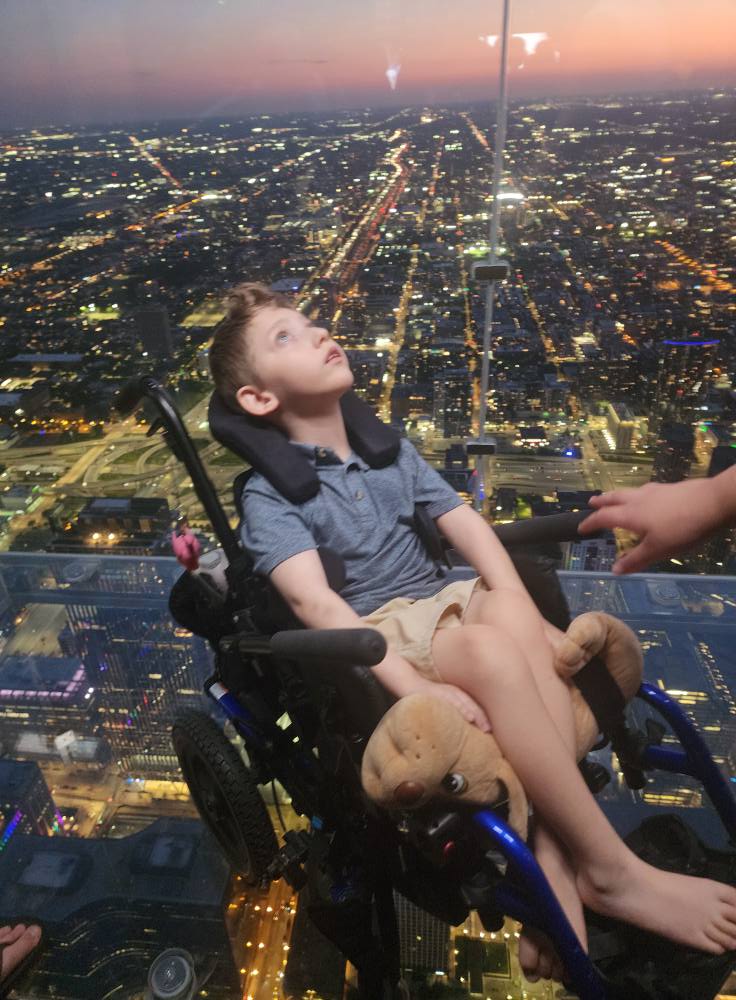
      • The Skydeck is one of the tallest buildings in Chicago, offering breathtaking views that everyone can enjoy. With accessible elevators and platforms, our family can create unforgettable memories while feeling at ease. They are not only ADA compliant, but also Sensory Compliant. Optional sensory bypasses are available in exhibits that are more stimulating.
    5. Shoreline Sightseeing Architecture River Tour
      • Undoubtedly, experiencing Chicago’s iconic architecture from the water is truly magical! We did a sunset tour, and the view is breathtaking! We learned so much! Accessible boats are equipped with ramps and designated seating for guests with mobility challenges. Audio guides provide detailed descriptions, and service animals are permitted onboard. If your family uses strollers or wheelchairs, be sure to inform staff when booking to ensure the best boarding arrangements.
    6. 360 CHICAGO Observation Deck
      • This observation deck is fully wheelchair accessible, featuring ramps and elevators. Amenities such as accessible restrooms and hearing assistance devices make it a kind and welcoming place for families.
    7. Griffin Museum of Science and Industry
      • This museum inspires curiosity with its interactive exhibits. Additionally, it’s a fantastic destination for my child, making learning fun and engaging for all ages. The museum is committed to accessibility, offering wheelchair ramps, audio guides for visually impaired visitors, and sensory-friendly spaces. Also, noise-canceling headphones and accessibility features on their app make it easier for families to take breaks as needed.
    8. Adler Planetarium
      • As a premier astronomical museum, it offers breathtaking views of the skyline and immersive educational programs. The Adler Planetarium is dedicated to accessibility.
      • It provides ramps, elevators, accessible restrooms, and wheelchair rentals. As a result, this makes it easy for everyone to explore the wonders of the universe. The facility welcomes service animals and offers sensory-friendly events throughout the year. Also, be sure to check their website in advance for the latest accessible programming and resources.

    Getting Around Chicago

    We drove our van. And so, we enlisted the help of SpotHero to conquer parking for our epic adventures. It practically rolled out the red carpet with accessible parking options. For any quick pit stops under 4 hours, we used ParkChicago; consequently, it was a lifesaver, allowing us to magically extend our time in small intervals right from my phone. Because, after all, when you are traveling with this crew, things can change in a second. Who doesn’t love a parking plot twist?

    Furthermore, transportation does not have to be hard for families with children needing special accommodations. In fact, Chicago’s public transport system has you covered:

    • Chicago Transit Authority (CTA) Buses and Trains
      • Most CTA buses and trains come equipped with ramps and designated areas for individuals using mobility devices. This makes our travel throughout the city smooth and accessible.
    • Ride-Sharing Services
      • Many ride-sharing options offer vehicles that are wheelchair accessible, providing flexibility in our movement around the city.

    Conclusion

    The CityPass enables us to explore Chicago’s vibrant attractions at a fantastic price; consequently, it ensures that there’s something for everyone, regardless of their needs. Moreover, while some facilities, like the Shedd Aquarium, may lack dedicated accessible parking, the majority of the attractions are welcoming and accommodating. This ultimately allows families like mine to enjoy a day out without worries. As a single mom, I face the challenges of raising a medically complex child; therefore, I highly recommend checking out the specific accessibility options before your visit. This, in turn, will enhance your experience. Chicago is waiting to be explored, and with CityPass, adventure is just a ticket away!

    Resources

    By using these resources, families can effectively plan ahead and seamlessly enhance their visit, thereby ensuring a fun and stress-free experience throughout the Windy City. Furthermore, each attraction is specifically dedicated to making the experience enjoyable for everyone, thus ensuring that no one is left out of the adventures. Ultimately, happy exploring!

  • Accessibility in Buena Park: The Source OC

    Accessibility in Buena Park: The Source OC

    Our journey through Buena Park was spectacular. After checking out of Knott’s Hotel, we headed out for some shopping. Our visit to The Source OC was a vibrant highlight! Nestled in the heart of Buena Park, The Source OC is a bustling hub of shopping, dining, and entertainment. It offers something for everyone. However, an essential aspect of any public space is its accessibility. In this blog post, we’ll explore the measures The Source OC takes to ensure accessibility for everyone. It guarantees enjoyment for all, regardless of their mobility needs.

    Inclusive Features of The Source OC

    Wheelchair Accessibility

    One of the first considerations for accessibility is the physical layout of the venue. The Source OC has made significant efforts to ensure that all areas are wheelchair accessible. Elevators and ramps are strategically placed. This makes it easy for guests using wheelchairs or mobility devices to navigate between different levels. Furthermore, the pathways are wide enough to accommodate not only wheelchairs but also strollers or other mobility aids.

    Parking Facilities

    For those driving to The Source OC, accessible parking is readily available. Designated accessible parking spaces are conveniently located near the main entrances. This inclusion helps reduce the distance that guests need to travel from their vehicles. It improves their overall experience.

    Restrooms

    Restroom accessibility is another critical element of an inclusive environment. The Source OC provides accessible restrooms equipped with necessary features. These include grab bars and spacious layouts. These features make sure that all visitors can attend to their needs comfortably.

    Dining Options for Everyone

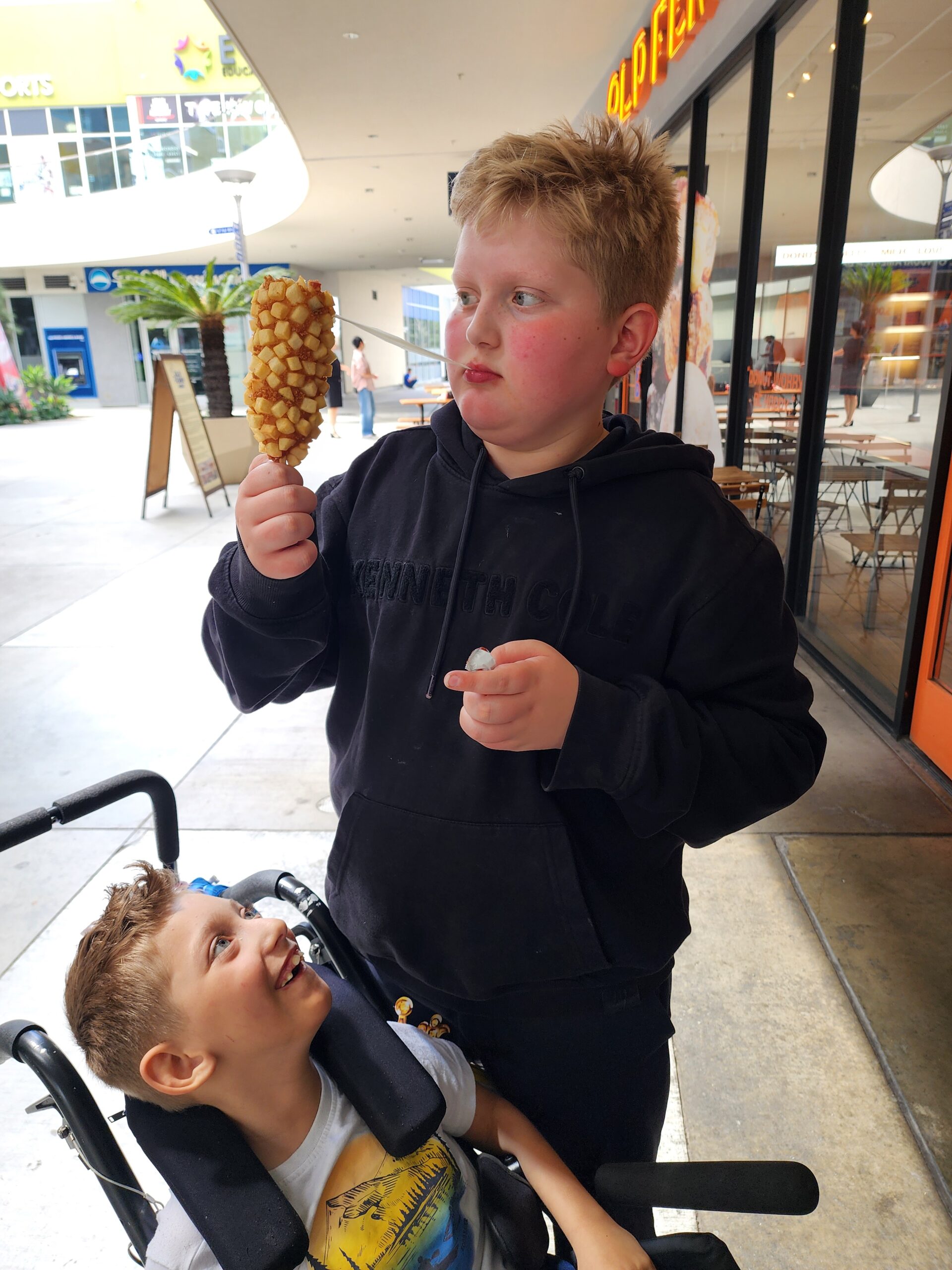
    As food enthusiasts, we were particularly excited to explore the diverse culinary options at The Source OC. We tasted popular Korean Corndogs, traditional Korean BBQ, and innovative fusion dishes. Every meal was a delightful journey for our taste buds. One of the standout moments was finally checking Tanghulu off our culinary bucket list. This Chinese street food delicacy features skewered fruit coated in a shiny, hard candy shell. It can be found at Sweet Box.It was as delicious as it was beautiful. This treat offered a perfect blend of sweetness and crunch that left us craving more.

    The dining establishments at The Source OC pay attention to detailed menus. They cater to various dietary restrictions. This ensures that everyone can find a meal to enjoy. Whether you have food allergies, you follow a vegetarian diet, or you adhere to a vegan diet, the restaurants are committed to accommodating diverse dietary needs. They also provide gluten-free options.

    Seating Arrangements

    Dining areas are designed to offer ample seating arrangements that are accessible to all guests. Tables are available at different heights for individuals who need to stay seated in their wheelchair while dining. This thoughtful design enables everyone to enjoy their meal without feeling left out.

    Shopping Accessibility

    Beyond the food, The Source OC is a shopper’s paradise. We wandered through an eclectic mix of boutiques and well-known retailers. We found ourselves lost in a world of fashion, gadgets, and unique finds. It’s the ideal place to pick up souvenirs or treat yourself to something special.

    Many retailers within The Source OC are aware of accessibility needs, offering services like personal shopping assistance. This can be especially beneficial for people with mobility challenges. They may find it difficult to navigate the shopping space independently.

    Conclusion

    If you’re planning a trip to Buena Park, make sure to carve out some time. Experience Accessibility at The Source OC. With its commitment to accessibility, you can indulge in culinary delights. You can shop till you drop. Or, you can simply soak in the lively atmosphere without barriers. It’s an experience you won’t want to miss.

    Where To Stay

    Knott’s Hotel

    Subscribe to our newsletter. Stay connected with us as we continue to explore more incredible spots in Buena Park and beyond. Until next time, happy travels and delicious adventures!

  • Vampirate Dinner Show: An Accessible Family Adventure in Buena Park

    Vampirate Dinner Show: An Accessible Family Adventure in Buena Park

    We had an absolute blast at the Vampirate Dinner Show in Buena Park! This unique event combines excitement and accessibility. It truly embodies how accessible Buena Park is. It ensures that everyone can enjoy the thrilling atmosphere of this pirate adventure. From start to finish, the entire family adored every moment.

    A Warm Welcome: Inclusivity at Its Best

    From the moment we arrived, we knew that inclusivity was a priority. The venue features accessible entrances and seating, allowing guests with mobility challenges to navigate the space comfortably. The staff members were highly attentive, ready to offer assistance and create a warm atmosphere for all.

    An Evening Filled with Music and Adventure

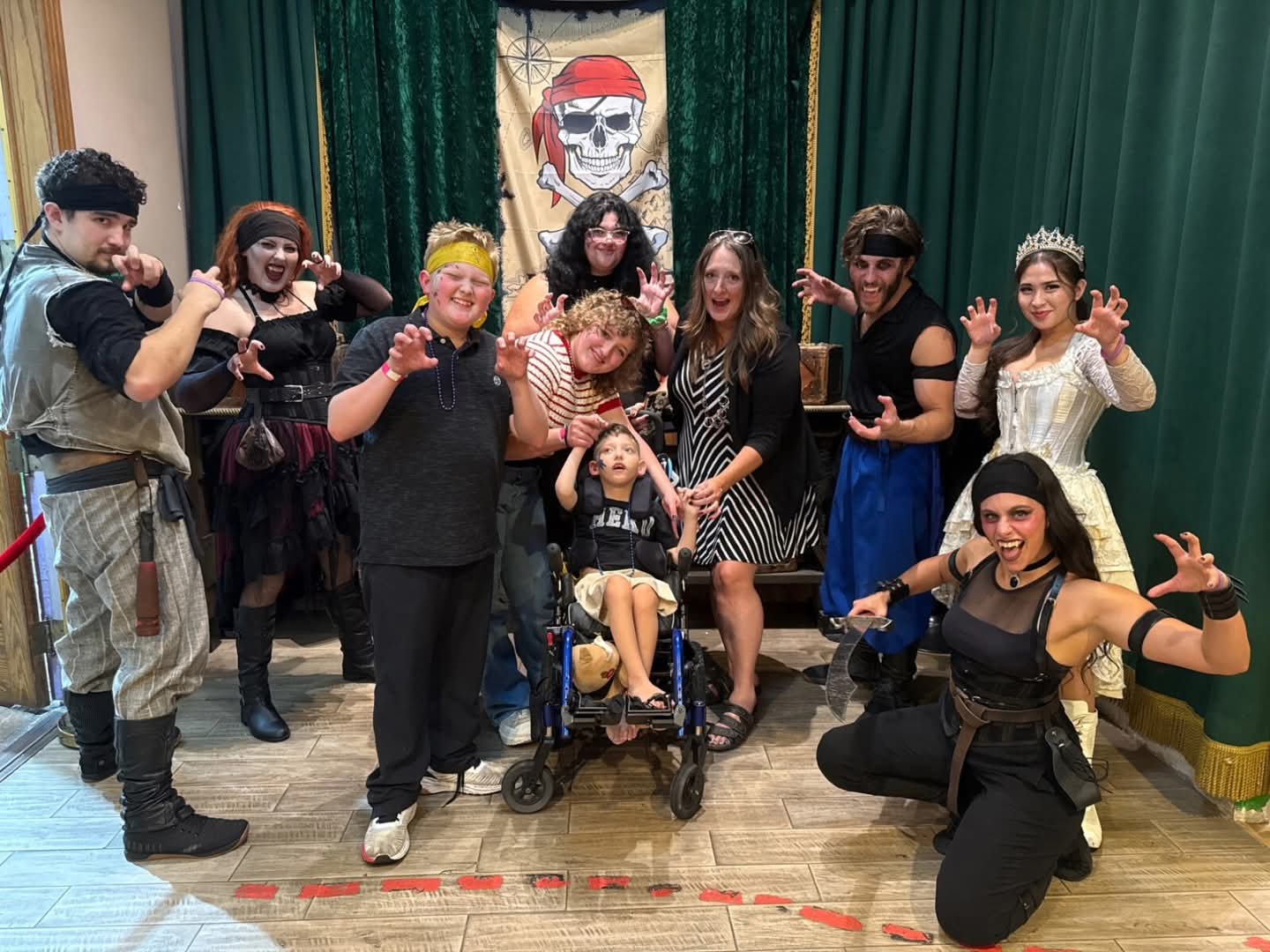
    The evening was a whirlwind of music, excitement, and an epic sword fight! What impressed us the most was how the performances catered to diverse audiences. Clear visual cues and engaging storytelling kept everyone captivated, regardless of age or ability. The show’s interactive nature encouraged participation, and my son Isaiah embraced this opportunity by joining the cast on stage. It was a joy to see him showcase his growing confidence.

    Meet the Incredible Cast

    After the performance, we had the pleasure of meeting the incredible crew, who were just as entertaining offstage. Their genuine warmth extended beyond the performance, making every guest feel a connection to the action. Each team member took the time to engage with the audience. They made sure that everyone felt welcome. This was especially true for those with different accessibility needs. When it comes to accessible Buena Park has some incredible options!

    Elijah, my younger son, was laughing and relishing every moment of the show. A diverse array of characters kept him engaged. The dynamic storytelling added to this engagement. This spooky yet family-friendly event is perfect for a weekend adventure.

    The Perfect Destination: Accessible Buena Park

    Buena Park truly is the perfect destination for those seeking a mix of excitement and supernatural fun. Our weekend was packed with activities. They catered to everyone in the family. The Vampirate Dinner Show was undoubtedly the highlight.

    The atmosphere was electric from the moment we walked in. The venue, resembling a mystical pirate ship, was adorned with hauntingly beautiful decor. The talented crew effortlessly brought the swashbuckling tale to life, and the music had everyone tapping their feet. The sword fight was a stunning show of choreography and skill, eliciting gasps and cheers from the audience.

    A Heartwarming Experience

    Witnessing Isaiah in the spotlight filled us with pride. Watching him take the stage with such enthusiasm and growing confidence was heartwarming. He blended seamlessly with the talented cast, who were not only exceptional performers but also warm and inviting individuals. Meeting them after the show added to the delight; they shared stories and jokes, making the night even more memorable.

    Elijah’s laughter echoed throughout the venue, a testament to the joy he found in the show. It’s uncommon for an event to captivate both the young and the young-at-heart. Yet, the Vampirate Dinner Show succeeded in doing this.

    Join Us for More Adventures!

    We enjoyed our epic adventure in Buena Park. We’ll be sharing more about our spooky and fun-filled itinerary. Our experiences promise to keep the thrills alive all weekend long! Whether it’s enchanting shows, delightful dining, or exciting attractions, Buena Park has something for every family member to enjoy.

    Stay tuned for more updates and recommendations from our trip. And don’t forget to add the Vampirate Dinner Show to your must-visit list when you visit Buena Park!

    Accessible Things to Do in Buena Park

    1. Vampirate Dinner Show
      • Experience an electrifying dinner show filled with music, sword fights, and captivating storytelling.
    2. Knott’s Berry Farm
      • Enjoy thrilling rides and family-friendly attractions at this iconic amusement park.
    3. Pirates Dinner Adventure
      • Watch a swashbuckling pirate show mixed with a delicious meal.
    4. Buena Park Historic District
      • Explore the charming streets and learn about the city’s rich history.
    5. Medieval Times Dinner & Tournament
      • Dive into a thrilling medieval feast featuring knights and jousting.
    6. Soak City Water Park
      • Beat the heat with water slides and wave pools for a fun family day.

    Where We Stayed

    1. Knott’s Hotel
      • A family-friendly hotel right next to the amusement park, offering convenient access and themed accommodations.

    Where to Eat

    1. Portillo’s
      • A must-visit for Chicago-style hot dogs and Italian beef sandwiches.
    2. Porto’s Bakery & Cafe
      • Porto’s Bakery & Cafe serves up delectable pastries, savory sandwiches, specialty beverages and their famous potato balls. The family-owned business still uses many of the original recipes that they brought with them from Cuba in 1963. This is the cheapest place I found to feed my family of five, and everything was DELICIOUS!
    3. Thirty Acres Kitchen
      • Experience family dining inspired by Knott’s Farm heritage. Every bite tells a story. Every sip of boysenberry transports you back to the farm’s roots
    4. dzert
      • Looking for a dessert that’s as inclusive as it is delicious? Meet dzert, where soy-based shaved snow takes center stage! Creamy, rich, and completely vegan and lactose-free, this isn’t just a treat—it’s a sweet game-changer. Whether you’re team vegan, lactose-intolerant, or simply a lover of unique sweets, they’ve got you covered
    5. Myungrang Hot Dog
      • Famous Korean-style hot dogs at The Source OC. Try an original hot dog. You can also enjoy a specialty hot dog like squid ink, rice cake, or potato, topped with special sauces.
    6. Rock & Brews
      • Rock and Brews in Buena Park is the brainchild of Gene Simmons and Paul Stanley of KISS. It offers quality American comfort food in a rock & roll themed environment. You will find a full line-up of delicious food, including their signature wings, a diverse range of salads, wood-fired barbecue and rustic hamburgers the size of your head
  • Traveling with a Wheelchair: Elijah’s Inspiring Story

    Traveling with a Wheelchair: Elijah’s Inspiring Story

    When we received Elijah’s terminal diagnosis, a wave of emotions washed over us—fear, sadness, and uncertainty about the future. One of the pivotal conversations was about Elijah needing a wheelchair. Initially, I viewed this as a limitation that would hinder our family adventures while traveling with a wheelchair. However, witnessing Elijah’s resilient spirit transformed my perspective.

    With the right equipment, such as his Zippie wheelchair, Elijah has shown remarkable independence and determination. He is not defined by his diagnosis but instead embraces life without boundaries. Our family’s journey has evolved into one of travel and exploration. It is filled with unforgettable memories. I’m excited to share the valuable insights that made this possible.

    The Impact of the Zippie Wheelchair

    Traveling with a child who has complex needs can initially seem overwhelming. However, having the right tools makes a remarkable difference. Elijah’s Zippie wheelchair has been invaluable on our adventures. It allows us to explore diverse landscapes without the fear of fatigue. It also prevents discomfort.

    The Significance of Choosing the Right Wheelchair

    Elijah’s Zippie wheelchair emphasizes both mobility and comfort, making it easier to navigate various terrains. We are empowered on gravel paths, cobblestone streets, or lush hiking trails. This mobility enables Elijah to fully engage in our family adventures. Now, every outing is filled with joy and exploration rather than limitations.

    Planning for Accessible Travel

    When organizing our trips, we prioritize accessibility. Here are effective tips for families facing similar circumstances:

    Selecting the Right Accommodations

    Always opt for family-friendly lodging equipped to handle mobility challenges. Most hotels list accessibility details on their websites, but it’s prudent to call ahead. Services like Airbnb, Expedia, and Booking.com offer filtering tools to find accessible accommodations. Consider:

    • Ramp Access: Ensure ramps are available for easy entry.
    • Spacious Layouts: Seek accommodations with large doorways and ample movement space.
    • Bathroom Facilities: Confirm that the bathroom is wheelchair-friendly, ideally featuring grab bars and a shower seat.

    Transportation Considerations

    The mode of transport significantly impacts your travel experience. If you are flying, clearly communicate your needs with the airline. They can accommodate passengers with complex requirements during boarding and deplaning. You can read more from our friend Jennifer here: Navigating the Airport.

    For road trips, consider a vehicle designed for wheelchair use. A ramp-equipped van can enhance mobility and make accessing new adventures hassle-free.

    Engaging in Inclusive Activities

    Finding inclusive activities is essential for creating memorable experiences. Resources like Elijah’s Baby Bucket List and dedicated social media groups for accessible travel can provide valuable suggestions.

    Building Meaningful Memories

    The most cherished memories often arise from simple yet significant experiences. We focus on enjoying small moments—like gathering around a meal, sharing stories by the campfire, or marveling at sunsets. Our epic adventures have taken us to some pretty incredible places!

    Capturing Adventures Through Storytelling

    I find immense value in storytelling. Documenting our journeys with photographs and journals. We reflect on these experiences to treasure our time together. We also share insights with others traveling similar paths. This highlights Elijah’s perspective.

    Emphasizing Community Support

    Never underestimate the importance of community. Connecting with other families who share similar journeys can enhance your travel experience. Use online resources, such as community forums, social media groups, or local advocacy organizations, for valuable advice and support.

    Embracing Challenges Together

    Traveling with a child with disabilities presents unique challenges, but these can strengthen family bonds incredibly. Each obstacle teaches us patience, problem-solving, and teamwork. Instead of perceiving challenges as setbacks, we now view them as growth opportunities.

  • Flexibility is Essential: Travel plans shift unexpectedly, and adaptability is key. Whether altering routes for unforeseen obstacles or modifying activities, flexibility allows us to focus on joyful experiences rather than frustrations.
  • Encouragement is Vital: Elijah’s resilience inspires all of us. Supporting him during new experiences strengthens our family bond and instills confidence.

    Discovering Joy in Exploration

    There’s a unique joy in discovery. Every new destination allows Elijah to experience the world vibrantly. From exploring museums to enjoying mountain coaster rides and participating in accessible workshops, each adventure enriches his understanding of life.

    Advocating for Inclusivity

    Our travels have taught us the importance of advocating for accessibility. Sharing our experiences leads businesses and destinations to improve their accommodations. This paves the way for a more inclusive travel experience for all families.

  • Power of Feedback: After traveling, we provide constructive feedback to accommodations and attractions regarding accessibility. This feedback not only prompts needed changes for future visitors but also highlights what they are doing well!
  • Sharing Our Journey: Documenting our adventures online aims to inspire others facing similar challenges. It illuminates pathways for families eager to travel but feeling unsure about accessibility.

    Conclusion: Embracing the Adventure

    Elijah’s journey redefined our understanding of adventure. What once seemed impossible has evolved into a rich tapestry of experiences, joy, and connection. We share our story to inspire others. Our story encourages them to explore the world with an open heart. It also equips them with the right tools for success.

    Embrace the unknown, seek opportunities, and remember that every adventure enhances life’s richness. Our family narrative goes beyond overcoming barriers. It celebrates the boundless spirit of a child. This child reminds us daily that anything is possible.

    Join Us on This Journey

    Elijah’s wheelchair symbolizes not just transportation but our collective journey. Traveling has unveiled experiences we once deemed unattainable, teaching us resilience, adaptability, and the beauty of savoring each moment.

    As we continue this inspiring journey, we recognize we are not alone; countless families navigate similar experiences. I hope our story encourages you to explore the world alongside your loved ones confidently. Confront challenges head-on. Remember that with advocacy, support, and the right tools like the Zippie wheelchair, we can experience limitless adventures together.

    Travel not only opens avenues for exploration but also nurtures the cherished connections we hold. So, pack your bags, grab your Zippie wheelchair, and embrace the world with open hearts and minds! Let’s forge new memories to treasure for a lifetime.

    Turn your road trip into an adventure

    Find all the best stops at your destination and along the way with Roadtrippers. Get $5 off !